
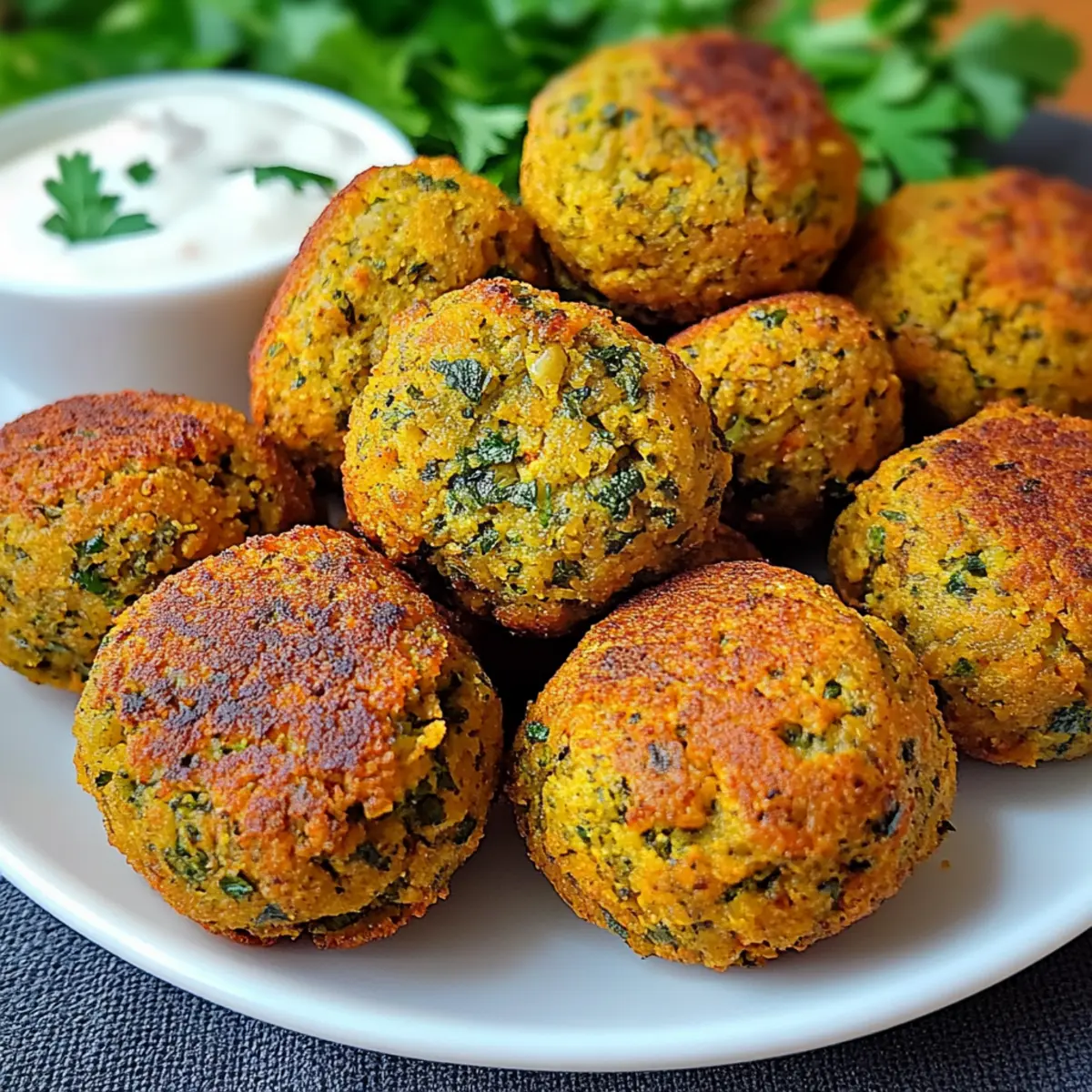
As I was wandering through the bustling streets of Istanbul, the intoxicating aroma of spices and fried delights danced in the air, beckoning me toward a small corner shop. That’s where I discovered the magic of Turkish falafel—golden, crispy spheres filled with vibrant flavors. This authentic Turkish Falafel recipe captures that culinary experience and brings it right to your kitchen. It’s not just a snack; it’s a versatile dish that shines as an appetizer or a healthy meal option, perfect for bustling weeknights or cozy get-togethers. Plus, it’s vegan and offers gluten-free substitutions, making it accessible for everyone. With simple ingredients and easy preparation, you’ll be impressing your family and friends in no time. Ready to dive into the world of homemade falafel? Let’s whip up some crispy treats that will transport your taste buds straight to Turkey!
Why is this recipe a must-try?
Authentic Flavor: Experience the essence of Turkish cuisine with these crispy falafels that burst with spices and fresh herbs.
Vegan and Gluten-Free: This recipe accommodates various dietary needs, ensuring everyone can enjoy these delightful bites.
Easy to Make: With just a few straightforward steps, you’ll have a delicious snack or meal in no time, perfect for those busy weeknights.
Versatile Serving Options: Pair these falafels with tahini sauce, salsa, or in a warm pita for a delightful meal. They shine as a crowd-pleaser at any gathering!
Satisfying Crunch: Enjoy the satisfying texture that elevates your snacking experience, making them a fantastic alternative to fast food options.
Turkish Falafel Ingredients
For the Falafel Mixture
- Chickpeas – the star of the show, providing the base for flavorful turkish falafel.
- Onion – adds moisture and a savory aroma; for a milder taste, swap it with scallions or shallots.
- Garlic – fresh cloves are best for enhancing the overall flavor profile.
- Parsley – this fresh herb introduces brightness and earthiness; cilantro can be a refreshing substitute.
- Flour – helps bind the mixture; try chickpea flour or breadcrumbs for gluten-free options.
- Cumin – essential for authentic flavor; adjust to your liking for a personalized touch.
- Coriander – complements cumin beautifully, enriching the taste of your turkish falafel.
- Baking Powder – ensures lightness in your falafel; always check it’s fresh for optimal results.
- Salt and Pepper – balance the flavors; season according to your preference.
For Frying
- Oil (for frying) – essential for achieving that golden crispiness; vegetable or sunflower oil works well.
Optional Toppings/Sauces
- Tahini Sauce – a perfect creamy companion, enhancing flavor and texture.
- Hummus – adds a smooth, delightful layer that pairs beautifully with your falafel.
- Fresh Vegetables – consider cucumbers, tomatoes, or lettuce for a refreshing crunch!
Step‑by‑Step Instructions for Turkish Falafel
Step 1: Prep Chickpeas
Begin by soaking 1 cup of dried chickpeas in abundant water overnight to allow them to soften and swell. Drain the chickpeas thoroughly before proceeding; this ensures your Turkish falafel will have the perfect texture and moisture balance for blending.
Step 2: Blend Ingredients
In a food processor, add the soaked chickpeas, 1 chopped onion, 2 minced garlic cloves, and a handful of fresh parsley. Blend until the mixture is coarsely combined—aim for a grainy consistency rather than a paste. This coarseness adds to the delightful texture of your Turkish falafel.
Step 3: Season Mixture
Once blended, transfer the mixture to a mixing bowl and incorporate 1 teaspoon each of cumin and coriander, along with a pinch of salt and pepper. Add 2 tablespoons of flour and 1 teaspoon of baking powder to the mixture; stir until fully incorporated, ensuring the flavors meld beautifully and the texture remains light.
Step 4: Form Balls
With your hands, shape the falafel mixture into small balls or patties, about 1-2 inches in diameter. Place them on a lined baking sheet. This step is crucial for achieving that satisfying crunch in your final Turkish falafel while keeping the interior delightfully soft and flavorful.
Step 5: Heat Oil
In a deep pan, heat oil of your choice to approximately 350°F (175°C). To test the oil’s readiness, you can drop in a tiny piece of the falafel mixture; it should sizzle immediately and rise to the surface. Properly heated oil is essential for a crispy exterior and a perfectly cooked falafel.
Step 6: Fry Falafel
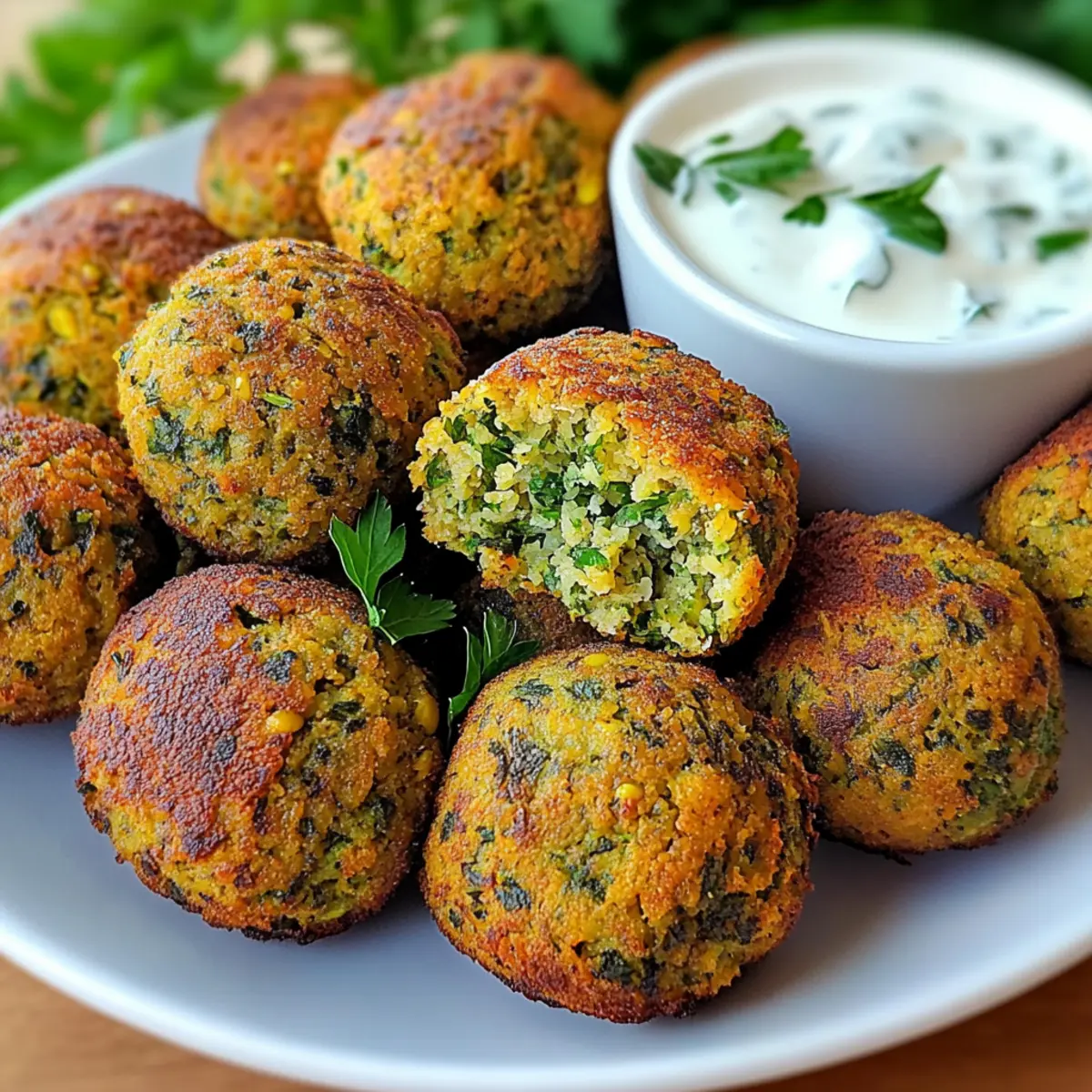
Carefully add the falafel balls to the hot oil, making sure not to overcrowd the pan; this will help them crisp up beautifully. Fry them for about 3-4 minutes, or until they are golden brown, turning occasionally for even cooking. Your kitchen will soon be filled with the irresistible aroma of Turkish falafel!
Step 7: Drain
Once the falafel are perfectly golden and crispy, remove them using a slotted spoon and place them on paper towels to absorb excess oil. This final step ensures that your Turkish falafel maintains their delightful crunch and prepares them for serving.
Expert Tips for Turkish Falafel
-
Fresh Ingredients: Use fresh herbs and garlic to maximize flavor. Dried spices might alter the intended deliciousness of your Turkish falafel.
-
Soaking Time: Don’t skip soaking the chickpeas overnight; this step is vital for the proper texture of your falafel.
-
Avoid Overprocessing: Blend the mixture until coarsely combined. Overprocessing can lead to a dense texture instead of the desired lightness.
-
Correct Oil Temperature: Ensure your frying oil is at 350°F (175°C) before adding falafel to prevent sogginess. Test with a small piece first.
-
Batch Frying: Fry falafel in small batches to achieve an even crisp. Overcrowding will drop the oil temperature, leading to less crispy results.
Turkish Falafel: Fun Variations & Substitutions
Feel free to get creative and adapt this delicious falafel recipe to suit your taste buds!
-
Black Bean: Swap chickpeas for black beans for a unique flavor twist that adds a rich, earthy depth.
-
Lentils: Use cooked lentils in place of chickpeas for a softer texture and a nutty flavor; great for a different take on traditional falafel.
-
Smoky Heat: Add a sprinkle of smoked paprika or a pinch of chili powder to the mixture for a smoky, spicy kick that elevates the flavor profile.
-
Fresh Herbs: Experiment with cilantro instead of parsley for a fresher, zesty flavor. Pair with a cooling yogurt dip for a delightful contrast.
-
Whole Wheat Flour: Substitute regular flour for whole wheat flour to amp up the nutrition and create a heartier falafel.
-
Herbed Dipping Sauces: Serve with a variety of dips like tzatziki or spicy harissa for a flavor explosion. These sauces bring new life to your falafel experience!
-
Pita Pocket: Serve your crispy falafel in a warm pita with crispy veggies for crunch. It’s a delicious way to create a complete meal!
-
Nuts: Add crushed walnuts or almonds to the mixture for an extra crunch and a nutty flavor that complements the spices beautifully.
With these options, you can make your Turkish falafel experience truly yours. For more tasty ideas, don’t forget to check out my recipe for delicious tahini sauce that pairs perfectly with these crispy delights!
What to Serve with Authentic Turkish Falafel
As you prepare your golden, crispy falafel, the possibilities for a vibrant and satisfying meal unfold beautifully.
-
Fresh Tabbouleh Salad: This herbaceous salad brings a refreshing contrast, packed with parsley, tomatoes, and a zesty lemon dressing.
-
Creamy Tahini Sauce: Drizzle this nutty sauce over your falafel for a luxurious touch, enhancing both flavor and texture. It’s the ultimate companion!
-
Warm Pita Bread: Soft and fluffy, warm pita pockets make the perfect vessel for stuffing your crispy falafel, adding a comforting chewiness.
-
Spicy Hummus: A vibrant spread of hummus with a kick complements the falafel’s flavors, making for a delicious dip or sandwich spread.
-
Roasted Vegetables: Caramelized veggies like bell peppers, zucchini, and carrots offer earthy sweetness, balancing the falafel’s spice and crunch beautifully.
-
Chickpea Salad: A protein-packed salad made with chickpeas, cucumbers, and red onion provides a wonderful texture to accompany your falafel feast.
-
Minted Yogurt Dip: A tangy dip with fresh mint brightens up the dish and is a delightful pairing for those who love creamy contrasts.
-
Bright Citronade: A refreshing lemony drink with a hint of sweetness cleanses the palate and enhances the rich flavors of the meal.
-
Baklava for Dessert: End your meal on a sweet note with this flaky pastry, combining nuts with honey, it’s a lavish finish that mirrors the delightful complexity of your falafel.
Make Ahead Options
These Turkish falafel are perfect for meal prep enthusiasts! You can prepare the falafel mixture up to 24 hours in advance. Simply follow the steps to soak and blend your chickpeas with the seasonings, then shape the mixture into balls or patties. Store them in an airtight container in the refrigerator to maintain their freshness and prevent browning. When you’re ready to serve, just heat your oil and fry the falafel until golden brown—this ensures they remain just as delicious and crispy as if they were made fresh. This approach saves time during busy weeknights, allowing you to enjoy homemade Turkish falafel with minimal effort!
Storage Tips for Turkish Falafel
-
Room Temperature: Turkish falafel is best enjoyed fresh but can sit at room temperature for about 2 hours before it needs refrigeration.
-
Fridge: Store leftover falafel in an airtight container in the fridge for up to 3 days to maintain flavor and texture.
-
Freezer: For longer storage, freeze falafel in a single layer on a baking sheet, then transfer to a freezer-safe bag for up to 2 months. Reheat from frozen directly in the oven.
-
Reheating: To restore crispiness, reheat falafel in the oven at 375°F (190°C) for about 10-15 minutes. Avoid microwaving, as it can create sogginess.
Turkish Falafel Recipe FAQs
How do I select the right chickpeas for falafel?
Absolutely! When choosing chickpeas, look for dried ones that are firm and free of dark spots. Opt for high-quality brands, as they will yield the best flavor and texture once soaked and blended.
What is the best way to store leftover Turkish falafel?
To keep your leftover Turkish falafel fresh, store them in an airtight container in the fridge for up to 3 days. This will help preserve their flavor and texture. I recommend lining the container with a paper towel to absorb any moisture, ensuring your falafel remain crispy!
Can I freeze Turkish falafel, and how should I do it?
Very! To freeze your Turkish falafel, first allow them to cool completely. Lay them out in a single layer on a baking sheet and freeze until solid (about 1-2 hours). Once frozen, transfer them to a freezer-safe bag, and they can last for up to 3 months. Reheat them directly from frozen in the oven at 375°F (190°C) for about 10-15 minutes for that delightful crunch.
What if my falafel mixture is too dry or too wet?
No worries at all! If your falafel mixture feels too dry, simply add a splash of water or an extra tablespoon of oil to help bind it together. On the flip side, if it’s too wet, gradually sprinkle in a bit more flour or chickpea flour until it holds together better. The key is to achieve a consistency that can easily be shaped without falling apart.
Are Turkish falafels safe for people with allergies?
Absolutely! This recipe is vegan and does not include any common allergens like dairy or eggs. However, be mindful of cross-contamination if you or your guests have specific allergies to chickpeas or any other ingredients. Gluten-free alternatives are also available, such as using chickpea flour instead of regular flour.
How do I know when my frying oil is hot enough?
To ensure your oil is at the perfect temperature (350°F or 175°C), use a kitchen thermometer if you have one. Alternatively, drop a small piece of the falafel mixture into the oil; if it sizzles and rises to the surface immediately, you’re good to go. This step is essential for achieving that crispy exterior!
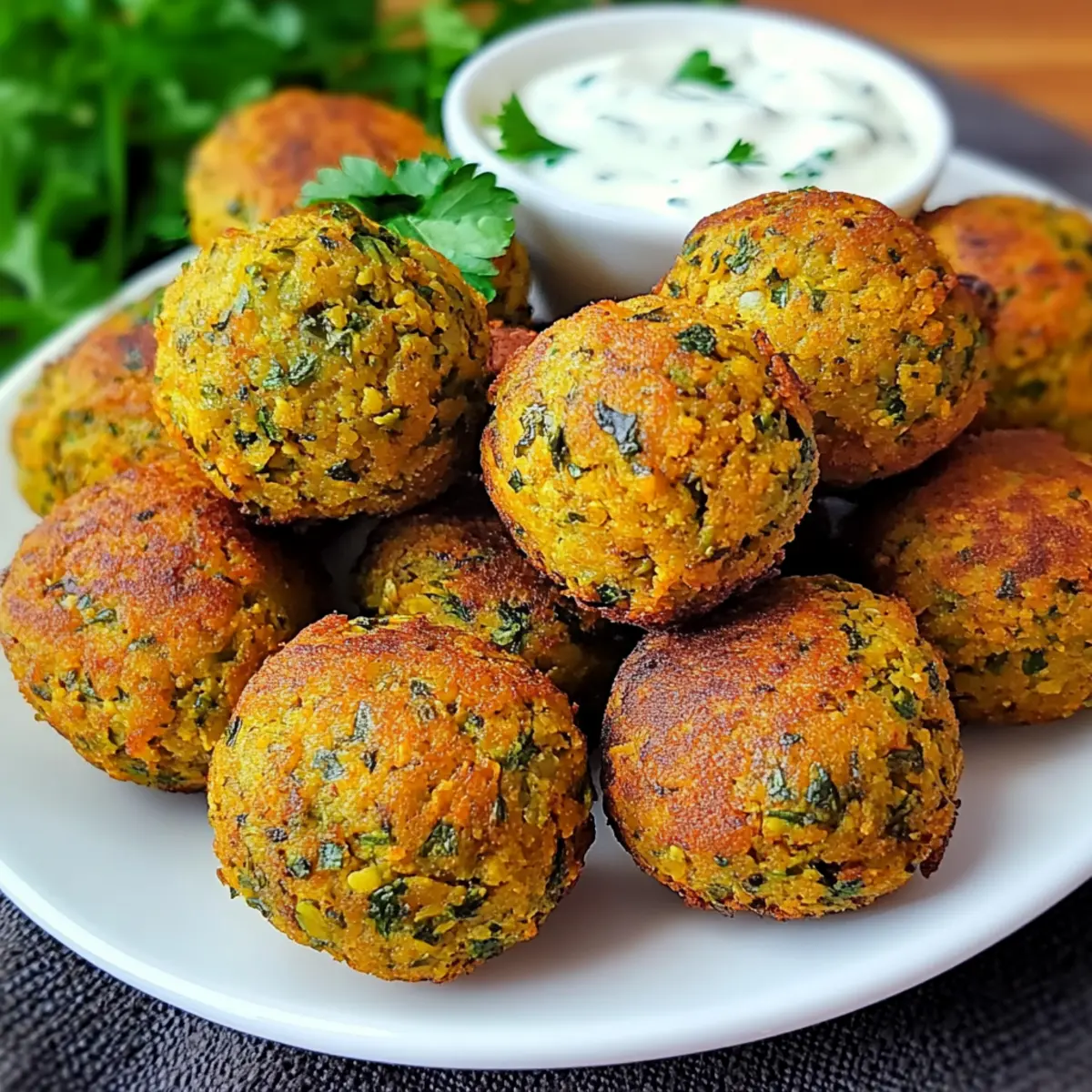
Crispy Turkish Falafel: A Flavor Explosion You’ll Love
Ingredients
Equipment
Method
- Soak 1 cup of dried chickpeas in water overnight. Drain chickpeas before blending.
- In a food processor, combine soaked chickpeas, chopped onion, minced garlic, and parsley. Blend to a grainy consistency.
- Transfer the mixture to a bowl, add cumin, coriander, salt, pepper, flour, and baking powder. Mix well.
- Shape the falafel into small balls or patties, about 1-2 inches in diameter.
- Heat oil in a deep pan to approximately 350°F (175°C).
- Fry falafel balls for about 3-4 minutes until golden brown, turning occasionally.
- Remove the falafel with a slotted spoon and drain on paper towels.
Leave a Reply