
There’s something magical about the scent of bread wafting through your home, instantly bringing warmth and comfort. Today, I’m excited to share my recipe for Homemade Garlic Rosemary Bread, an easy yet impressive addition to your culinary repertoire. It’s perfect for those cozy family dinners or a special brunch with friends, all without any fuss or specialized equipment. With its crispy crust and fluffy interior, this bread is not only a crowd-pleaser but also comes together quickly using pantry staples. Plus, the infusion of garlic and rosemary adds a delightful twist that elevates any meal. Are you ready to transform your kitchen into a fragrant bakery? Let’s dive into the world of homemade goodness together!

What makes this bread so special?
Unforgettable Aroma: The moment you mix garlic with fresh rosemary, your kitchen will be enveloped in a delightful fragrance that hints at the deliciousness to come.
Easy to Make: This recipe is approachable for all skill levels, making it the perfect choice for anyone craving homemade bread without the complexity.
Versatile Ingredients: With simple substitutions, like using whole wheat flour or dried rosemary, you can easily tailor this bread to your taste and pantry inventory.
Crowd-Pleasing Texture: Each bite gives you a satisfying crunch from the crispy crust, while the fluffy interior invites you back for more.
Perfect Pairing: Serve it warm alongside soups or salads, or simply toast it with butter for a delightful breakfast.
Quick to Prepare: In just a couple of hours, you can have a freshly baked loaf ready, making it ideal for spontaneous gatherings or weekday dinners.
Garlic Rosemary Bread Ingredients
For the Dough
- All-Purpose Flour – Provides the structure for the bread; substitute with whole wheat flour for a nuttier flavor.
- Warm Water – Activates the yeast, ensuring it’s warm (not hot) enhances yeast performance.
- Active Dry Yeast – Leavening agent that helps the bread rise; always check for freshness for the best results.
- Salt – Enhances the overall flavor and manages yeast activity, preventing it from growing too quickly.
- Olive Oil – Adds moisture and a lovely flavor; if you’re looking for richness, melted butter can be an excellent substitute.
For the Flavor
- Fresh Garlic – Provides a fragrant, savory flavor that truly elevates the bread; roasted garlic can add a sweeter, milder touch.
- Fresh Rosemary – Imparts an earthy aroma that complements garlic beautifully; substitute with dried rosemary at half the amount.
With these simple yet powerful ingredients, your journey to homemade garlic rosemary bread can begin! Remember, there’s something truly special about sharing a loaf of Garlic Rosemary Bread with friends and family, and I can’t wait for you to experience it.
Step‑by‑Step Instructions for Garlic Rosemary Bread
Step 1: Combine Ingredients
In a large mixing bowl, combine 1 cup of warm water (about 110°F) and 2 teaspoons of active dry yeast. Allow the mixture to sit for 5-10 minutes until it becomes frothy, indicating the yeast is active. Stir in 2 tablespoons of olive oil, 2 cloves of minced garlic, and 1 teaspoon of salt, mixing well to incorporate the flavors as you prepare for the flour.
Step 2: Form the Dough
Gradually add 3 cups of all-purpose flour to the mixture, stirring until a soft dough forms. Once combined, transfer the dough onto a lightly floured surface and begin kneading. Knead by hand for about 10 minutes or until the dough is smooth and elastic. If using an electric mixer with a dough hook, mix on medium speed until similar consistency is achieved, ensuring the bread develops good structure.
Step 3: First Rise
Place the kneaded dough in a greased bowl and cover it with a clean kitchen towel. Let it rise in a warm area until doubled in size, which usually takes about 1 hour. You’ll know it’s ready when it has expanded significantly and looks puffy. This step is crucial for achieving the light and airy texture of your Garlic Rosemary Bread.
Step 4: Shape the Loaf
Once the dough has risen, punch it down gently to release the air. Transfer it back to a lightly floured surface and shape it into a loaf. Place the formed loaf into a greased loaf pan, ensuring it fits snugly. The shaping process allows you to create the classic silhouette of Garlic Rosemary Bread, preparing it for its final rise.
Step 5: Second Rise
Cover the shaped loaf with the kitchen towel again and let it rise for another 30 minutes in a warm draft-free area. You’ll notice the dough should rise again, becoming fluffy and filling the pan, which is crucial for a perfect final texture and appearance.
Step 6: Preheat the Oven
While the dough is on its second rise, preheat your oven to 375°F. Placing a small oven-safe dish with water on the lower rack can create a steam effect, resulting in a crusty exterior. This step is essential for achieving that golden-brown, crispy crust that complements the soft interior of the Garlic Rosemary Bread.
Step 7: Bake the Bread
Once the second rise is complete, place the loaf in the preheated oven. Bake for 30-35 minutes, or until the top is golden brown and sounds hollow when tapped. Keep an eye on it towards the end to ensure it doesn’t over-brown, as a well-baked Garlic Rosemary Bread should boast a beautifully crisp exterior.
Step 8: Cool and Serve
After baking, carefully remove the bread from the oven and let it cool in the pan for about 10 minutes. Then transfer it to a wire rack to cool completely before slicing. This final cooling stage prevents a gummy texture, allowing your Garlic Rosemary Bread to maintain its perfect structure and soft, fluffy inside.
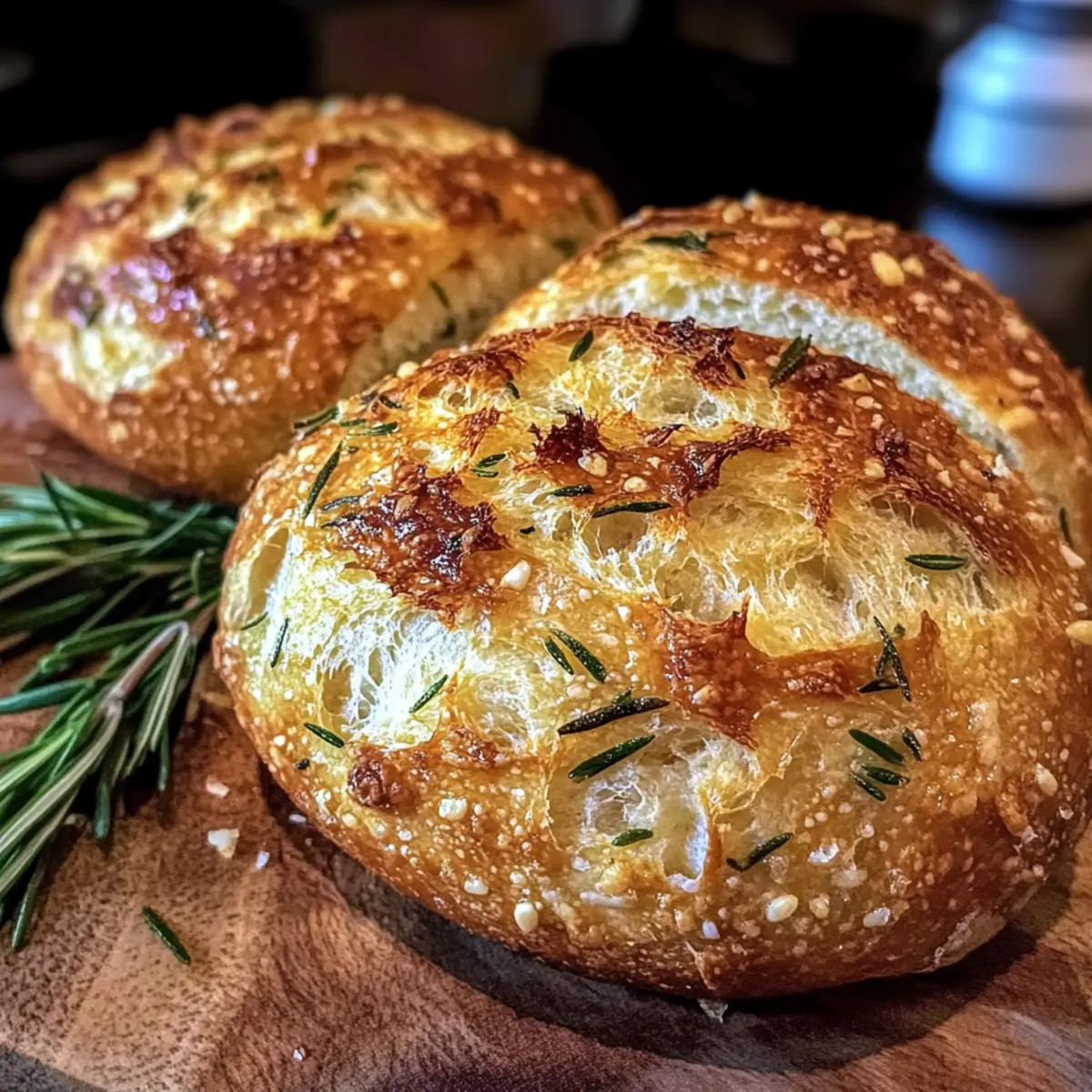
How to Store and Freeze Garlic Rosemary Bread
Room Temperature: Store your Garlic Rosemary Bread wrapped in a kitchen towel for up to 2 days to maintain its freshness and prevent it from drying out.
Fridge: If you need to store it longer, consider wrapping the bread in plastic wrap before placing it in the fridge for up to 5 days, keeping it soft.
Freezer: For extended storage, slice the bread and freeze it in an airtight container or zip-top bag for up to 3 months. Toast slices directly from the freezer for a quick treat!
Reheating: To revive the crispy crust, heat the bread in the oven at 350°F for about 10 minutes, allowing you to enjoy that delightful crunch again.
Expert Tips for Garlic Rosemary Bread
-
Use Fresh Ingredients: Fresh garlic and rosemary yield the best flavor. Avoid stale ingredients that can dull the taste of your Garlic Rosemary Bread.
-
Check Yeast Freshness: Ensure your active dry yeast is fresh for effective rising. Old yeast can lead to dense bread that doesn’t rise properly.
-
Perfect Temperature: Warm water should be around 110°F to activate the yeast without killing it. Use a thermometer for accuracy.
-
Knead Thoroughly: Proper kneading develops gluten, creating a nice structure. Aim for smooth, elastic dough for that perfect fluffy texture.
-
Don’t Rush the Rises: Allow the dough to rise fully. A longer rise time results in lighter, airier Garlic Rosemary Bread.
Garlic Rosemary Bread Variations & Substitutions
Feel free to get creative with your Garlic Rosemary Bread and make it uniquely yours – the options are endless, and each twist adds a personal touch!
- Dried Rosemary: Use half the amount of dried rosemary if fresh isn’t available, as the flavor can be more concentrated.
- Whole Wheat Flour: Swap in whole wheat flour for a nuttier taste and added nutrition, making your bread a heartier option.
- Cheesy Delight: Add grated parmesan or cheddar to the dough for an irresistible cheesy flavor that pairs beautifully with garlic and herbs.
- Roasted Garlic: Substitute fresh minced garlic with roasted garlic for a sweeter and milder taste that adds depth to your bread.
- Herb Medley: Mix in fresh or dried herbs like thyme or oregano to create a unique flavor profile that excites the palate.
- Spicy Kick: Add a pinch of red pepper flakes to the dough for a subtle heat that enhances the overall warmth of the bread.
- Olive Swap: If you prefer a richer flavor, use melted butter instead of olive oil, creating a more indulgent bread experience.
Finally, consider using your homemade bread in delightful ways! Serve it warm with butter, or pair it alongside soups or salads for a cozy meal. And if you enjoy variations, don’t miss out on trying it with some of my other recipes, such as Garlic Parmesan Focaccia or Cheesy Garlic Ritz. Trust me, the possibilities are delicious!
Make Ahead Options
These Homemade Garlic Rosemary Bread loaves are perfect for meal prep! You can make the dough up to 24 hours in advance by following the steps up to the second rise. After shaping the loaf, simply cover it tightly with plastic wrap and refrigerate. To maintain that irresistible flavor and texture, be sure to let the dough come to room temperature for about 30 minutes before baking. When you’re ready to enjoy your freshly baked bread, preheat your oven and bake as directed. This way, you can easily have warm, crusty Garlic Rosemary Bread on your table with minimal effort, making busy weeknights a breeze!
What to Serve with Homemade Garlic Rosemary Bread
Indulging in freshly baked garlic rosemary bread invites a charming gathering of flavors that can elevate any meal.
- Creamy Tomato Soup: The warmth and acidity of tomato soup perfectly balance the savory garlic and herbal notes in the bread, creating a comforting combination.
- Fresh Garden Salad: A crisp salad with vibrant veggies adds a refreshing crunch that complements the fluffy texture of the bread, making each bite feel light and satisfying.
- Italian Pasta Dishes: Pair it with spaghetti, lasagna, or any rich Italian dish; the bread serves as an excellent tool to soak up sauces, enhancing the overall experience.
Think of it as an edible companion, inviting you to savor the moments shared with family or friends. Whether enjoyed as a side, a base for bruschetta, or simply on its own with a pat of butter, the experiences are bound to be delicious.
- Chardonnay or Pinot Grigio: These wines’ light acidity and fruity notes beautifully contrast the loaf’s savory flavors, making them a delightful pairing for al fresco dining.
- Herb-Infused Olive Oil: Serving the bread with fragrant olive oil allows for a luxurious experience to dip into, heightening the complexity of garlic and rosemary.
- Cheesy Garlic Scalloped Potatoes: Pairing with this creamy side dish adds richness that melds seamlessly with the roasted garlic, creating a hearty meal perfect for gatherings.
Each of these pairings promises to enhance your dinner table, creating a warm atmosphere filled with delectable bites and joyful memories.
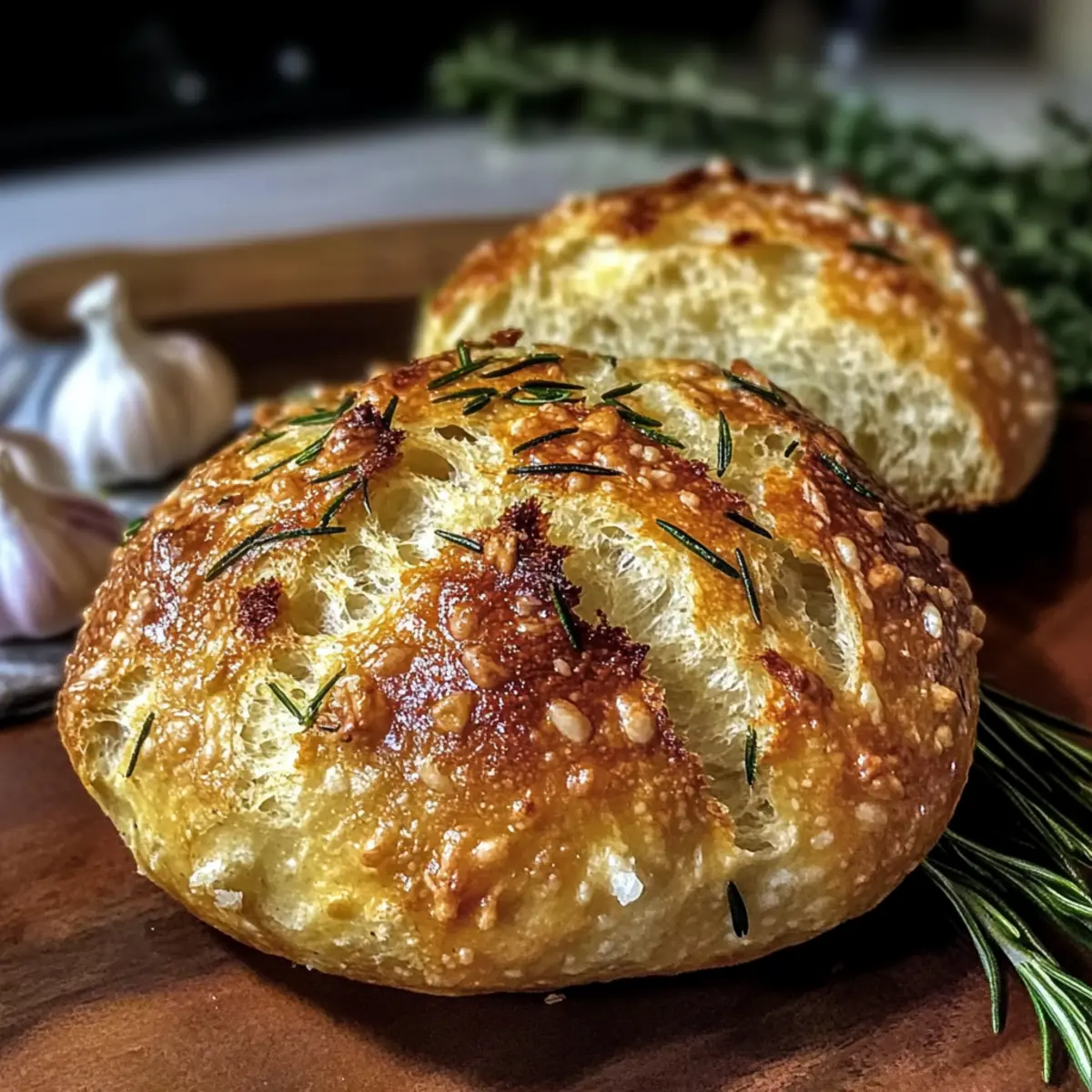
Garlic Rosemary Bread Recipe FAQs
What type of rosemary should I use?
Absolutely! Fresh rosemary provides the best flavor and aroma, making your Garlic Rosemary Bread irresistible. However, if you don’t have fresh on hand, dried rosemary can be a suitable substitute; just use about half the amount for a similar taste.
How should I store my Garlic Rosemary Bread?
To keep your Garlic Rosemary Bread fresh, wrap it in a kitchen towel at room temperature for up to 2 days. If you need longer storage, plastic wrap works well. Just remember: if stored in the fridge, it will be good for about 5 days, keeping it soft and enjoyable.
Can I freeze Garlic Rosemary Bread?
Certainly! For freezing, I recommend slicing the bread first and then placing the slices in an airtight container or a zip-top bag. This way, you can take out just what you need! It will stay fresh for up to 3 months, and you can toast the slices straight from the freezer.
Why did my bread not rise properly?
Very! There are a couple of reasons why this might happen. First, check the freshness of your active dry yeast; old yeast won’t rise adequately. Also, ensure your warm water is at the right temperature (around 110°F) — if it’s too hot, it can kill the yeast. Lastly, give the dough enough time to rise in a warm spot; patience is key!
Can I make this recipe gluten-free?
Yes! If you’re looking for a gluten-free version of Garlic Rosemary Bread, you can experiment with gluten-free flour blends. Just be mindful that results may vary, and it might require different proportions of wet and dry ingredients to achieve the desired texture.
Is it safe for pets?
Not really! While Garlic Rosemary Bread is perfect for human enjoyment, garlic can be toxic to dogs and cats. It’s best to keep this bread away from your furry friends, ensuring they stick to their pet-friendly treats.
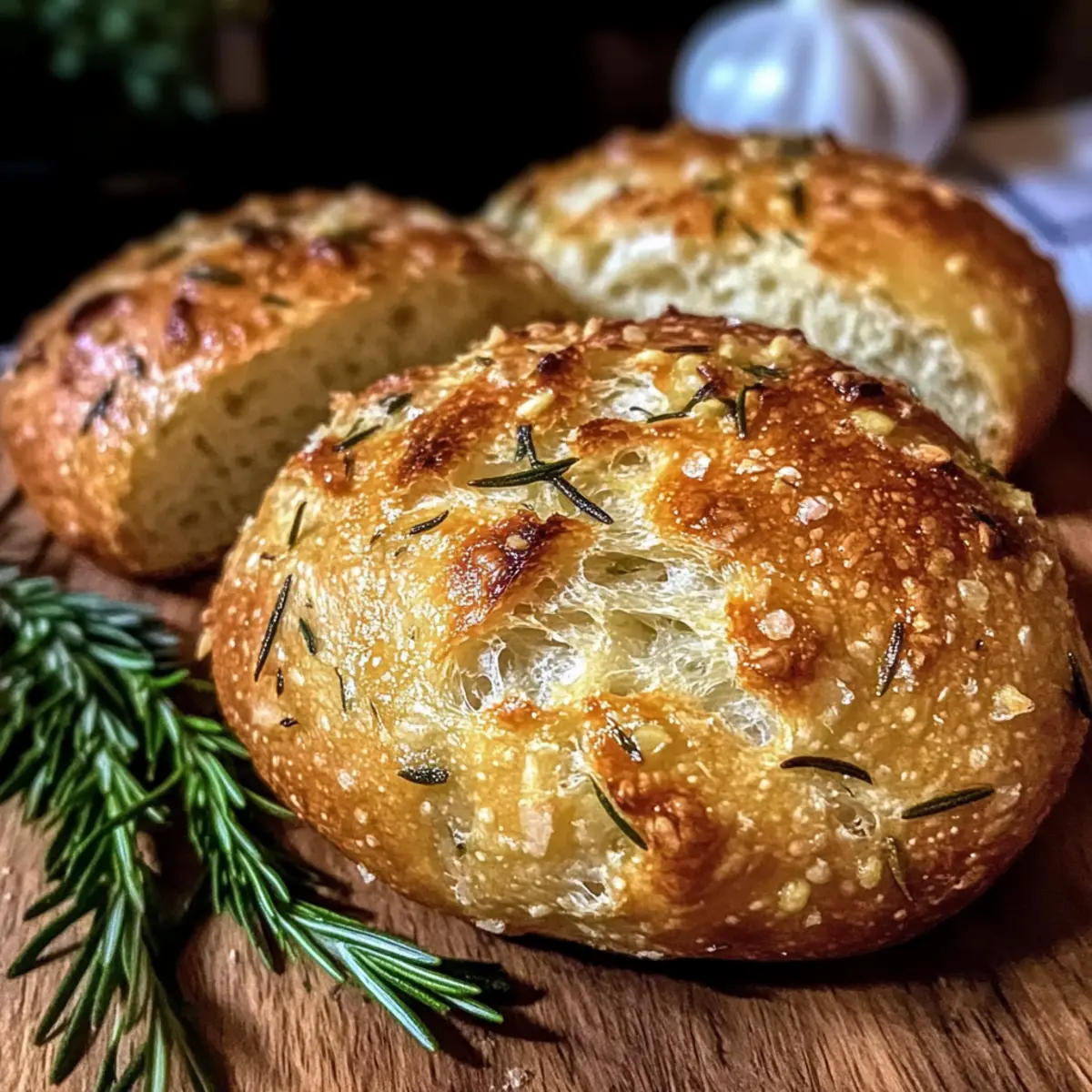
Garlic Rosemary Bread that's Crispy, Fluffy, and Irresistible
Ingredients
Equipment
Method
- In a large mixing bowl, combine warm water and active dry yeast. Allow to sit for 5-10 minutes until frothy.
- Stir in olive oil, minced garlic, and salt, mixing well to incorporate.
- Gradually add all-purpose flour, stirring until a soft dough forms. Transfer to a floured surface and knead for about 10 minutes.
- Place the kneaded dough in a greased bowl, cover with a towel, and let rise in a warm area until doubled in size (about 1 hour).
- Punch the dough down gently, shape it into a loaf, and place it in a greased loaf pan.
- Cover the shaped loaf with a towel and let it rise for another 30 minutes.
- Preheat the oven to 375°F and place a small dish with water on the lower rack.
- Bake for 30-35 minutes until golden brown and hollow-sounding when tapped.
- Cool in the pan for 10 minutes, then transfer to a wire rack to cool completely before slicing.
Leave a Reply