
“Did you know that vegetables can be the star of your plate?” This revelation hit me while preparing a vibrant batch of Healthy Sautéed Vegetables. If you’re grappling with those uninspiring, limp veggie sides, this recipe is your savory antidote. With just a handful of fresh ingredients, you can whip up a colorful medley that’s not only quick to prepare but also packed with nutrients. Each bite offers a delightful crisp-tender texture, marrying rich flavors in a way that transforms simple produce into something spectacular. Plus, this adaptable recipe lets you swap in your favorite vegetables, making it perfect for busy weeknights or an elegant dinner. Ready to elevate your veggie game? Let’s dive into this fresh and flavorful dish that will leave your taste buds dancing!
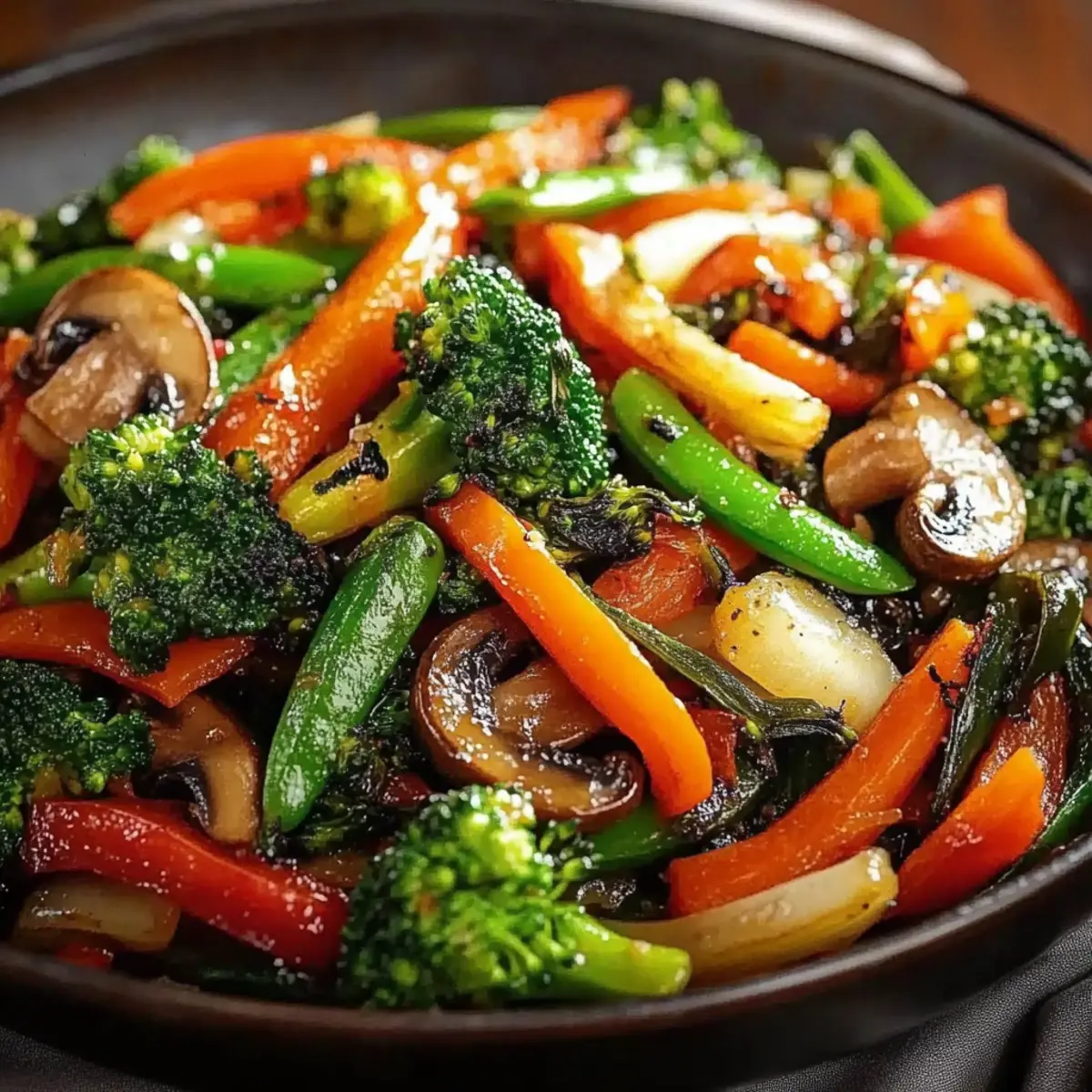
Why Choose Healthy Sautéed Vegetables?
Quick and Easy: This recipe requires minimal prep time and can be ready in under 15 minutes, making it perfect for busy weeknights.
Endless Versatility: Feel free to mix and match your favorite vegetables, ensuring you have a dish that suits your taste and what’s in season.
Packed with Nutrients: Bursting with vitamins, minerals, and fiber, these sautéed veggies are not just delicious; they’re also a healthy addition to any meal.
Flavor Boost: The combination of olive oil, garlic, and a splash of lemon juice brings out the natural sweetness of the vegetables, transforming them into a tasty, aromatic side.
Crowd-Pleaser: Whether served alongside grilled chicken, as a light vegetarian main, or even with your favorite Honey Sesame Chicken, this colorful medley is sure to impress family and friends!
Healthy Sautéed Vegetables Ingredients
• Get ready for a vibrant feast!
For the Vegetables
- Olive Oil – Provides healthy fats and flavors the dish; avocado oil can be used for a higher smoke point.
- Garlic (2 cloves, minced) – Adds aromatic depth and flavor; fresh or jarred garlic works.
- Onion (1 small, thinly sliced) – Softens and sweetens when cooked; you can use red or yellow onions.
- Bell Pepper (1, sliced) – Adds sweetness and beautiful color; any sweet variety is perfect.
- Zucchini (1, sliced into half-moons) – Contributes moisture and a delightful texture; yellow squash is a great substitute.
- Broccoli Florets (1 cup) – Provides crunch and vital nutrients; tend to use cauliflower for a different bite.
- Carrot (1 medium, julienned or sliced thin) – Delivers natural sweetness and a pop of color; feel free to swap in other root vegetables.
- Snap Peas (½ cup) – Offers a sweet crunch; consider green beans for a lovely alternative.
- Mushrooms (½ cup, sliced) – Enhances flavor with umami; use any variety like cremini or shiitake.
For Seasoning
- Salt and Black Pepper – Essential to highlight and bring out flavors; adjust to suit your taste.
- Lemon Juice (1 tsp) – Adds brightness and acidity; balsamic vinegar can swap in for a different flavor twist.
Dive into this recipe and discover how delightful Healthy Sautéed Vegetables can be!
Step‑by‑Step Instructions for Healthy Sautéed Vegetables
Step 1: Heat the Oil
Begin by heating 2 tablespoons of olive oil in a large skillet or wok over medium-high heat. Allow the oil to warm for about 1-2 minutes until it shimmers, indicating it’s ready for cooking. Make sure to use a non-stick or well-seasoned cast iron skillet for best results.
Step 2: Sauté the Aromatics
Once the oil is hot, add 2 minced garlic cloves and 1 thinly sliced small onion to the skillet. Sauté them for 1-2 minutes, stirring frequently until they become fragrant and the onion is slightly softened. This step sets the flavorful foundation for your Healthy Sautéed Vegetables.
Step 3: Add the Vegetables
Next, toss in your vibrant mix of vegetables: 1 sliced bell pepper, 1 sliced zucchini, 1 cup of broccoli florets, 1 julienned carrot, ½ cup of snap peas, and ½ cup of sliced mushrooms. Stir-fry all the vegetables for about 5-7 minutes, ensuring they remain tender-crisp and colorful. Keep the heat high to prevent steaming.
Step 4: Season to Taste
After the vegetables have cooked, generously sprinkle in salt and black pepper to taste. Use your judgment, but aim for about ½ teaspoon of each to enhance the flavors. Stir well to evenly distribute the seasonings and taste for balance, adjusting as necessary to perfectly complement your Healthy Sautéed Vegetables.
Step 5: Add Brightness
To finish, drizzle in 1 teaspoon of lemon juice to brighten up your dish and enhance the natural sweetness of the vegetables. If desired, you can also add a splash of balsamic vinegar for an extra layer of flavor. Stir everything together for about 30 seconds, allowing the flavors to meld beautifully.
Step 6: Serve Up
Your Healthy Sautéed Vegetables are ready to shine! Transfer them to a serving dish and consider topping them with optional garnishes like toasted nuts, seeds, or freshly chopped herbs. Serve immediately alongside your favorite protein, and enjoy the delightful medley of flavors and textures!
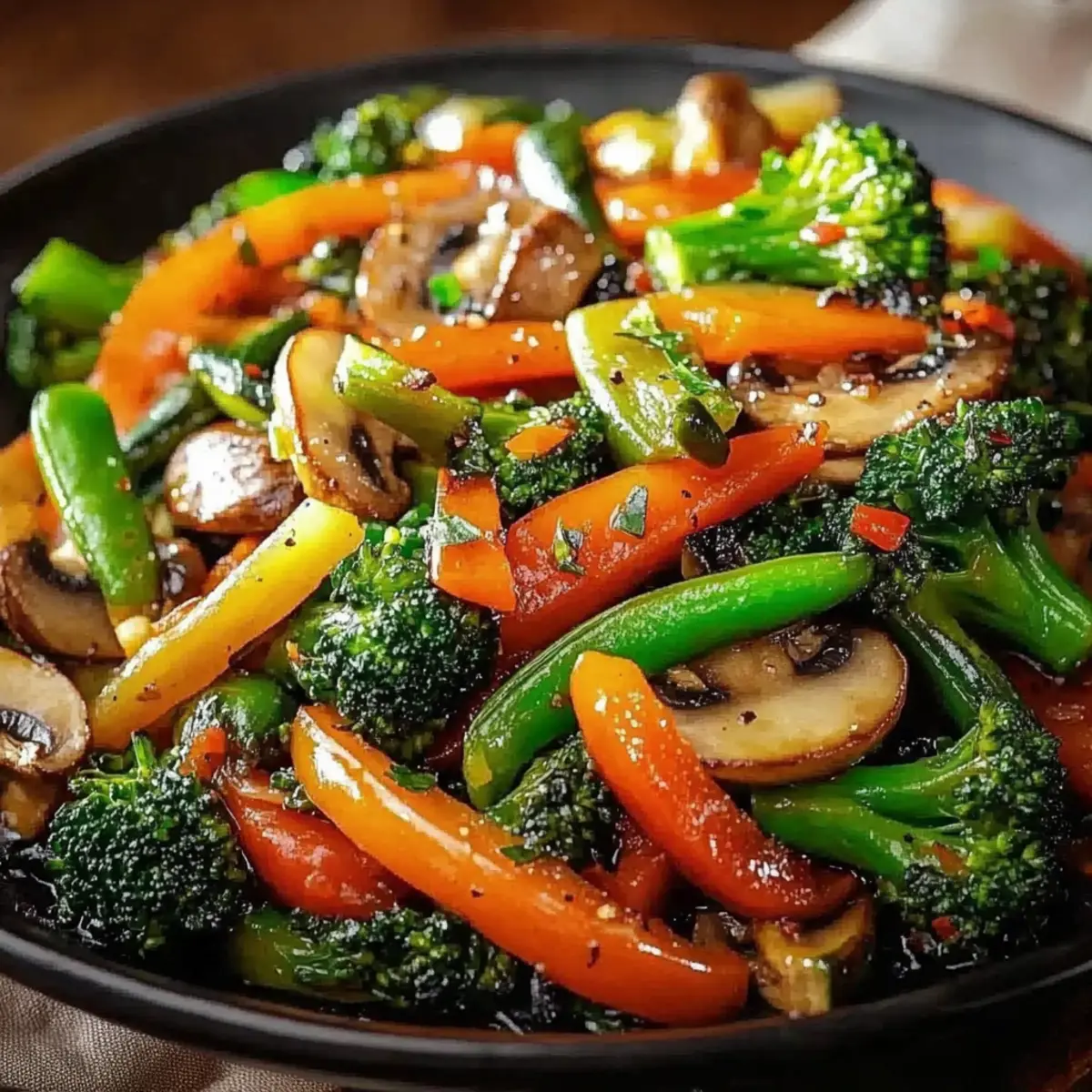
How to Store and Freeze Healthy Sautéed Vegetables
Fridge: Store leftover Healthy Sautéed Vegetables in an airtight container for up to 2-3 days. Be sure to let them cool before sealing to maintain freshness.
Freezer: For longer storage, freeze the sautéed vegetables in a single layer on a baking sheet for a couple of hours before transferring to an airtight freezer bag. They can be kept for up to 3 months.
Reheating: Reheat gently in a skillet over medium heat or in the microwave, adding a splash of water or broth to prevent drying out. Enjoy the vibrant flavors of your vegetables again!
Room Temperature: Avoid leaving cooked vegetables out at room temperature for more than 2 hours to ensure food safety and maintain their delicious taste.
Healthy Sautéed Vegetables Variations
Feel free to adjust and play with this recipe to suit your tastes and dietary needs.
- Dairy-Free: Omit cheese or consider nutritional yeast for a cheesy flavor without dairy.
- Gluten-Free: Ensure any added sauces, like soy sauce, are gluten-free; coconut aminos can be a great alternative.
- Protein Boost: Add cooked chickpeas or shrimp to elevate the nutritional profile and make it more filling. This incorporation not only enhances flavor but also turns your veggies into a well-rounded meal.
- Spice It Up: For a kick, sprinkle in some red pepper flakes or cayenne pepper while sautéing; your taste buds will thank you for that warm embrace.
- Herb Twist: Experiment with fresh herbs like basil or cilantro as a finishing touch or mix in dried herbs such as oregano or thyme during cooking for added flavor depth.
- Seasonal Swaps: Embrace seasonal produce – asparagus in spring or butternut squash in winter bring new textures and flavors for delightful variations throughout the year.
- Flavor Layers: Add a splash of soy sauce or balsamic vinegar during the last minute of cooking for an umami pop – it pairs excellently with a side of BLT Chicken Salad or works well alongside Rice Paper Crab for a delicious journey of tastes!
- Texture Surprise: Throw in nuts or seeds, such as slivered almonds or sunflower seeds, for an added crunch that transforms your Healthy Sautéed Vegetables into a more exciting dish.
Make Ahead Options
These Healthy Sautéed Vegetables are ideal for meal prep, making your weeknight cooking a breeze! You can chop and refrigerate all the vegetables (bell pepper, zucchini, broccoli, carrot, snap peas, and mushrooms) up to 3 days in advance. To maintain their vibrant colors and fresh flavors, store them in an airtight container in the refrigerator. When you’re ready to serve, simply heat olive oil in a skillet, sauté your prepped ingredients for about 5-7 minutes, and finish with lemon juice and seasonings. This way, you’ll have a nutritious, delicious side dish that’s just as delightful as if you made it fresh!
Expert Tips for Healthy Sautéed Vegetables
-
Uniform Cuts: Ensure all vegetables are cut into similar sizes to promote even cooking and avoid uneven textures in your Healthy Sautéed Vegetables.
-
High Heat: Sauté over medium-high heat to maintain a tender-crisp texture. Low heat will steam the veggies instead, leading to a soggy result.
-
Batch Cooking: If you’re preparing a larger quantity, do it in batches to avoid overcrowding the pan. This allows for better sautéing and enhances flavor.
-
Season Smartly: Taste and adjust your seasoning gradually, as each vegetable has its unique flavor. Start with small amounts of salt and pepper.
-
Add Freshness Last: Add lemon juice or vinegar at the end of cooking to amplify flavors without losing their brightness. This keeps your Healthy Sautéed Vegetables vibrant and fresh!
What to Serve with Healthy Sautéed Vegetables
Transform your meal into a feast of colors and flavors with delightful pairings that enhance every bite of your vibrant sauté.
-
Grilled Chicken: Juicy and flavorful, grilled chicken complements the crisp textures of the sautéed vegetables beautifully, making for a wholesome and satisfying meal. The smoky notes from the grill will elevate your dish to new heights.
-
Quinoa Salad: Light and nutty, a fresh quinoa salad adds a nutritious crunch and offers a delightful contrast to the tender sautéed medley. Toss in some cherry tomatoes and feta for a flavor boost.
-
Baked Fish: A flaky baked fish, like salmon or tilapia, pairs perfectly with the sauté, balancing the dish with its rich flavors and omega-3 goodness. The freshness of the veggies brightens every bite.
-
Garlic Bread: Crunchy and aromatic, garlic bread is ideal for soaking up any juices and adds a satisfying crunch to your meal, making your dining experience all the more comforting.
-
Roasted Sweet Potatoes: Their natural sweetness offers a perfect contrast to the savory vegetables, creating a well-rounded dish that feels both indulgent and healthy. The different textures will make every bite exciting.
-
Creamy Risotto: Creamy, cheesy risotto adds a luscious aspect to your meal. The richness enhances the vibrant flavors of the sautéed vegetables while offering a delightful texture contrast.
-
Chickpea Curry: Flavorful and fulfilling, a warm chickpea curry adds protein and a kick of spice that pairs wonderfully with the fresh, crisp flavors of your sautéed medley.
-
Green Tea: Light and refreshing, a cup of green tea will cleanse your palate and enhance the overall dining experience, bringing harmony to your plate. Enjoy between bites for a perfect pairing!
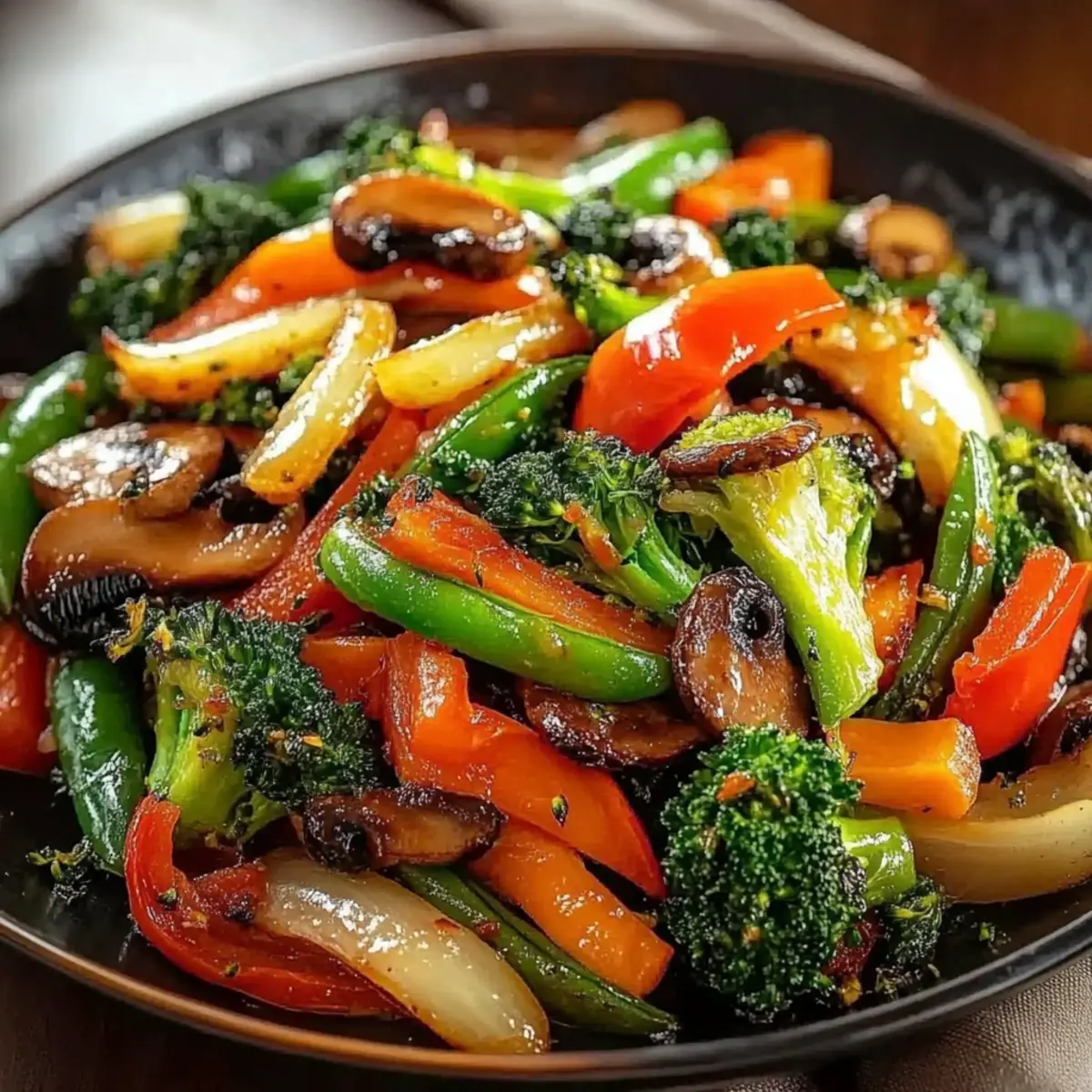
Healthy Sautéed Vegetables Recipe FAQs
What is the best way to select fresh vegetables for this recipe?
Absolutely! When choosing vegetables, look for vibrant colors and firmness. Avoid any that have dark spots or are limp. A good rule of thumb is to pick veggies that are in season for the best flavor. For example, bright green broccoli and crisp snap peas signify freshness and sweetness.
How long can I store leftovers of Healthy Sautéed Vegetables?
You can store leftover sautéed vegetables in an airtight container in the refrigerator for up to 2-3 days. Just let them cool down before sealing the container. When you’re ready to enjoy them again, gently reheat in a skillet over medium heat or in the microwave to maintain their delicious taste and texture.
Can I freeze sautéed vegetables, and if so, how?
Very! To freeze Healthy Sautéed Vegetables, start by spreading them in a single layer on a baking sheet to flash freeze for about 1-2 hours. Then, transfer them to an airtight freezer bag, removing as much air as possible to avoid freezer burn. They can be stored in the freezer for up to 3 months. When you’re ready to use them, you can sauté from frozen or thaw them overnight in the fridge!
What should I do if my vegetables get too soft while cooking?
If your vegetables start to lose their crispness during cooking, don’t worry! Simply remove them from the heat sooner—perfectly sautéed vegetables should be tender-crisp with a bright color. Make sure you maintain a high heat while cooking and avoid overcrowding the pan, as that can lead to steaming rather than sautéing.
Are there any dietary considerations I should be aware of for Healthy Sautéed Vegetables?
Absolutely! This recipe is naturally vegetarian and packed with nutrients, making it excellent for various diets. However, if you or someone you’re serving has allergies, be cautious of ingredients like mushrooms or any potential cross-contamination. If feeding pets, avoid giving them any onion or garlic due to their toxicity to dogs and cats.
Can I use frozen vegetables instead of fresh ones?
Yes, you can! While fresh vegetables tend to have more flavor and better texture, frozen vegetables can be a convenient alternative. Just be sure to thaw and drain them well before sautéing to avoid excess moisture that could steam the veggies instead of sautéing them beautifully. Enjoy experimenting with different types!
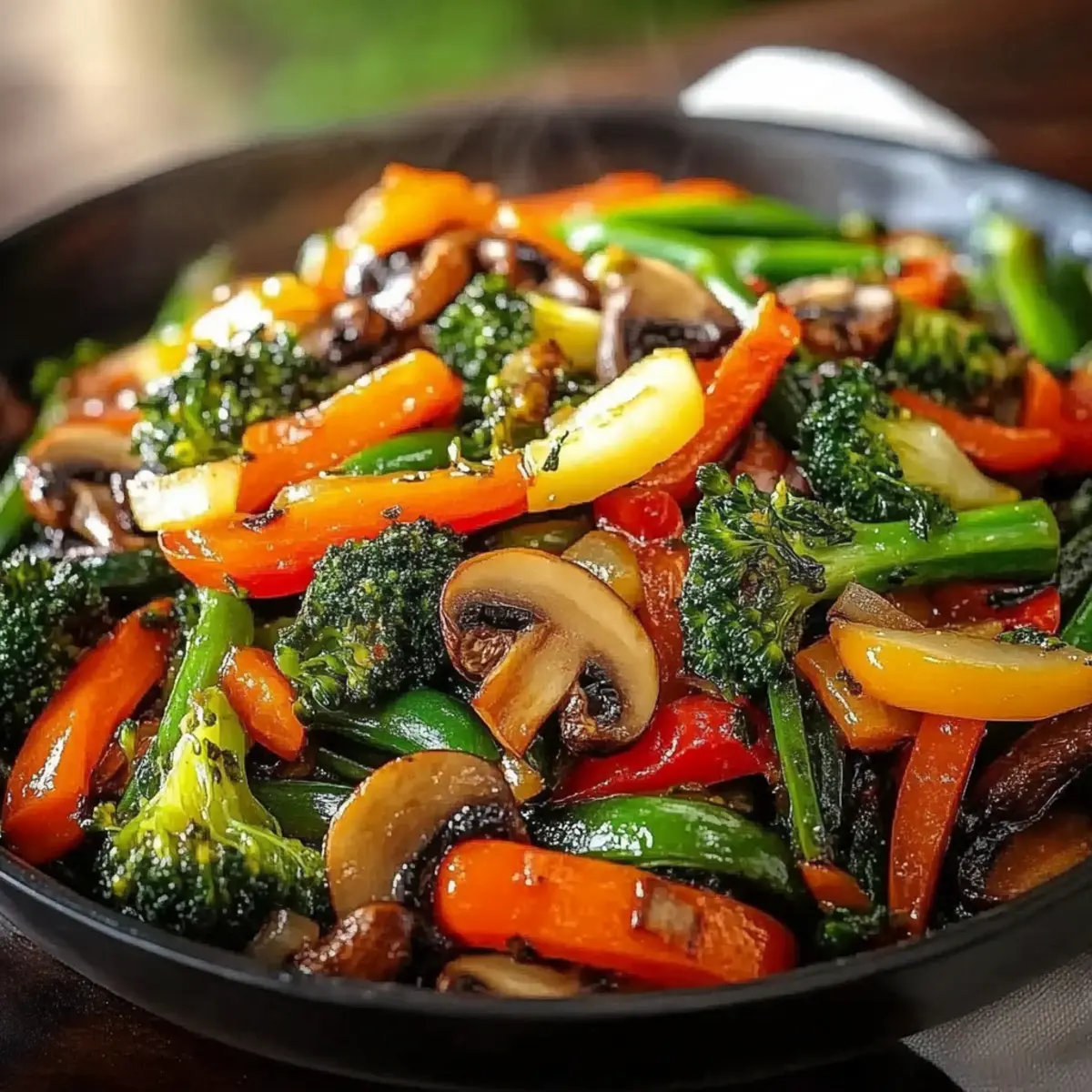
Healthy Sautéed Vegetables for a Flavorful Boost
Ingredients
Equipment
Method
- Heat the Oil: Begin by heating 2 tablespoons of olive oil in a large skillet over medium-high heat for 1-2 minutes until shimmering.
- Sauté the Aromatics: Add 2 minced garlic cloves and 1 thinly sliced small onion. Sauté for 1-2 minutes until fragrant and the onion softens.
- Add the Vegetables: Toss in 1 sliced bell pepper, 1 sliced zucchini, 1 cup broccoli florets, 1 julienned carrot, ½ cup snap peas, and ½ cup sliced mushrooms. Stir-fry for 5-7 minutes.
- Season to Taste: Sprinkle in salt and black pepper to taste, about ½ teaspoon each, and stir well.
- Add Brightness: Drizzle in 1 teaspoon of lemon juice and stir for about 30 seconds.
- Serve Up: Transfer to a serving dish and enjoy alongside your favorite protein.
Leave a Reply