
As the sizzle of the skillet fills my kitchen, I can almost feel the energy of a bustling hibachi grill. These Hibachi Vegetables, featuring tender zucchini and sweet onions, transport me right back to those lively dinners with friends. This quick and easy side dish only takes 22 minutes to prepare and cook, allowing you to whip up a restaurant-quality treat without the fuss. Not only are these veggies incredibly flavorful, but they also create a vibrant addition to any meal, making them a perfect companion for grilled meats or rice. With just a handful of ingredients, you’ll discover how simple cooking can be! Curious about how to bring that hibachi magic into your home? Let’s dive into this delicious recipe together!
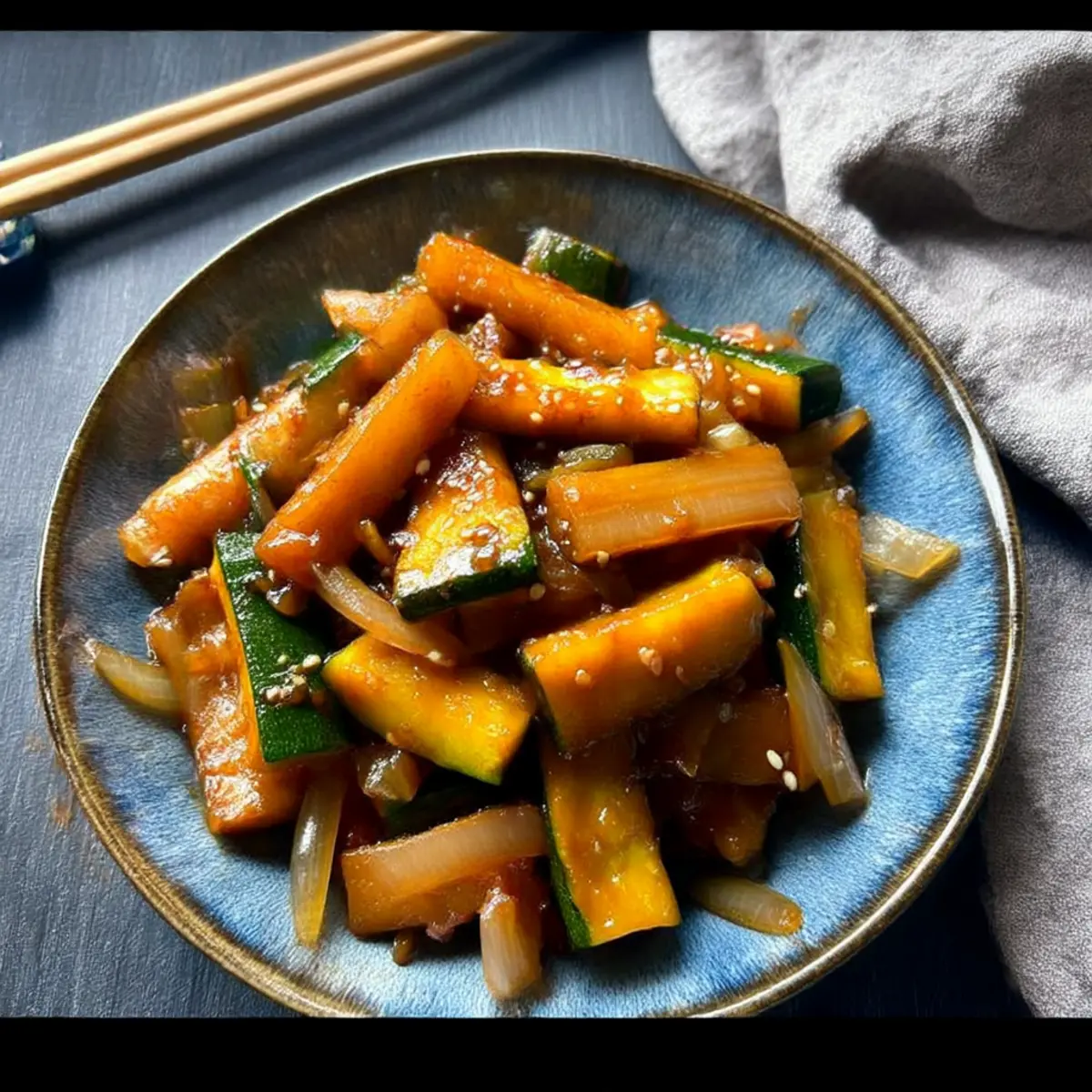
Why Are Hibachi Vegetables So Appealing?
Simplicity: This recipe requires minimal ingredients and basic cooking skills, making it an accessible choice for anyone.
Bursting with Flavor: Each bite is a delightful mix of sweet, savory, and nutty—thanks to the sesame oil and soy sauce—elevating your vegetable game to new heights.
Quick and Easy: Prepare a stunning side dish in just 22 minutes, perfect for busy weeknights or last-minute gatherings.
Versatile: Feel free to mix in your favorite vegetables or pair with grilled meats or rice to enhance your meals. If you’re curious about more delicious dishes, check out our amazing Grilled Chicken recipe.
Crowd-Pleasing: Impress family and friends at your next dinner! These vibrant, colorful veggies are sure to be a hit at any table.
Hibachi Vegetables Ingredients
• Get ready to savor the flavors!
For the Vegetables
- Sesame Oil – Essential for cooking, adds a rich, nutty flavor. Note: Can substitute with vegetable oil for a lighter touch.
- Onion – Provides sweetness and depth to the dish; cut into 1/2-inch slices for even cooking.
- Zucchini – Key vegetable that soaks up the sauce, adding a fresh, slightly sweet taste; use medium zucchinis cut into 1/2-inch sticks.
For the Sauce
- Soy Sauce – Provides saltiness and umami flavor; low-sodium soy sauce can be used for a healthier option.
- Sesame Seeds – Adds texture and enhances flavor; keep toasted for a nuttier aroma.
- Kosher Salt – Used for seasoning; adjust according to taste if using soy sauce.
- Black Pepper – Provides a slight kick; this can be omitted for a milder flavor.
Get ready to delight your taste buds with these fresh and vibrant Hibachi Vegetables!
Step‑by‑Step Instructions for Hibachi Vegetables
Step 1: Preheat the Skillet
Begin by heating a large skillet over medium-high heat for about 2 minutes. Once the skillet is hot, add 1 tablespoon of sesame oil, swirling it around to coat the surface. The oil should shimmer slightly, indicating it’s ready for the vegetables. This step is crucial for achieving that delicious golden-brown sear characteristic of hibachi vegetables.
Step 2: Cook the Onions
Add the sliced onions to the skillet, cooking them for about 3 minutes until they begin to soften and become translucent. Stir occasionally to ensure even cooking, and watch for a hint of caramelization on the edges, enhancing their natural sweetness. The sizzling sound will fill your kitchen, setting the stage for delicious hibachi flavors.
Step 3: Add the Zucchini
Next, introduce the zucchini sticks to the skillet. Allow them to cook undisturbed for about 4 to 5 minutes, giving them the chance to develop a slight browning while absorbing the flavors around them. Minimize stirring during this time to encourage that delightful sear — this is what makes your hibachi vegetables truly special.
Step 4: Combine Sauce Ingredients
Now it’s time to elevate the flavor! Pour in the remaining sesame oil along with soy sauce, sesame seeds, kosher salt, and black pepper. Gently stir everything together to ensure the sauce evenly coats the vegetables. The fragrant aroma should build in your kitchen, hinting at the savory deliciousness to come.
Step 5: Finish Cooking
Continue to sauté the mixture for another 1 to 2 minutes. Watch for the vegetables to become tender yet still slightly crisp, and the sauce to thicken slightly. As the veggies take on a glossy finish, they’re ready to be served warm. You’ll be thrilled to present these vibrant hibachi vegetables, which bring that restaurant-quality dish right to your table!
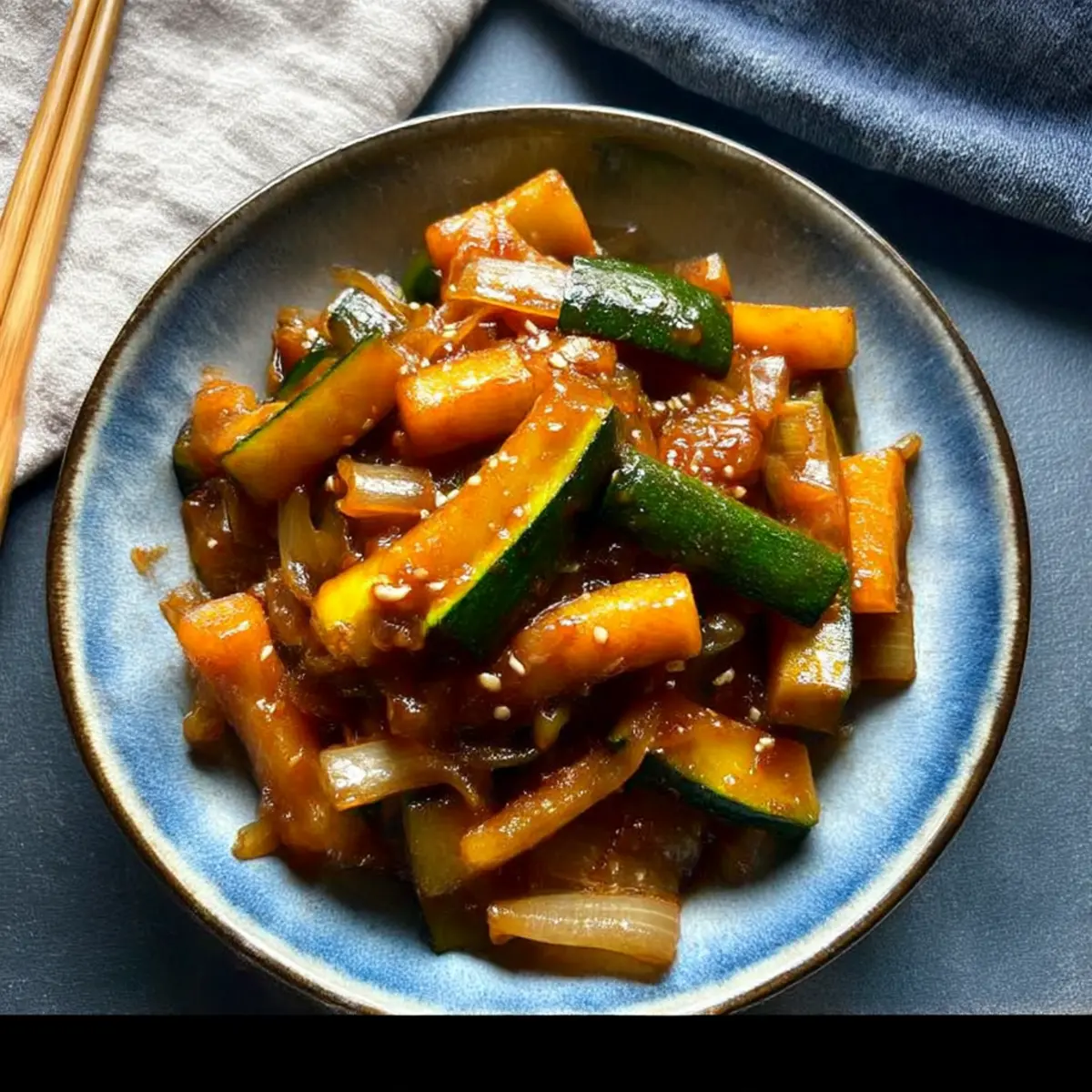
What to Serve with Hibachi Vegetables?
Transform your meal into an unforgettable experience with perfect pairings that enhance every flavor!
-
Grilled Chicken: Juicy and tender, grilled chicken adds protein and is a classic choice that complements the savory sweetness of hibachi vegetables.
-
Steamed Jasmine Rice: Fluffy and fragrant, jasmine rice absorbs the delicious sauce, providing a neutral base that pairs beautifully with your vibrant veggies.
-
Teriyaki Salmon: The rich glaze on teriyaki salmon brings a sweet and savory balance that harmonizes wonderfully with the crunchy stir-fried vegetables.
-
Garlic Butter Shrimp: Delectable shrimp sautéed in garlic butter offer a delightful seafood twist that contrasts with the fresh crunch of your hibachi vegetables.
-
Crispy Tofu: For a plant-based option, crispy tofu provides a satisfying bite and absorbs flavors beautifully, making it a perfect match for your veggie dish.
-
Asian Slaw: A refreshing mix of crunchy cabbage and carrots dressed in a tangy vinaigrette contributes great texture and brightness to your meal.
Indulging in these pairings not only enhances the flavors of the hibachi vegetables but also creates a delectable feast that everyone will love. Enjoy your culinary adventure!
Make Ahead Options
These Hibachi Vegetables are perfect for meal prep, saving you valuable time during busy weeknights! You can slice the onions and zucchini up to 24 hours in advance, storing them in an airtight container in the refrigerator to maintain freshness and prevent browning. If you want to go a step further, mix the sauce ingredients (soy sauce, sesame oil, sesame seeds, kosher salt, and black pepper) ahead of time and refrigerate for up to 3 days. When you’re ready to serve, simply sauté the prepped vegetables in a hot skillet for 6 to 7 minutes, add the sauce, and cook for an additional 1 to 2 minutes until everything is hot and glistening. This make-ahead approach allows you to enjoy delicious Hibachi Vegetables with minimal effort!
Hibachi Vegetables: Creative Tweaks and Twists
Feel free to experiment with these delicious variations to make the dish truly your own!
-
Colorful Medley: Swap out zucchini for bell peppers, carrots, or asparagus for a vibrant, multi-colored dish that delights the eyes and palate.
-
Add Heat: For a spicy kick, incorporate a dash of sriracha or red pepper flakes while cooking, bringing a flavorful heat that complements the dish beautifully.
-
Flavor Boost: A splash of mirin or rice vinegar can be added to your sauce for a hint of sweetness and acidity, elevating the entire flavor profile.
-
Protein Power: Toss in some cubed tofu, shrimp, or chicken during the cooking process for a heartier meal that’s still light and satisfying.
-
Herb Infusion: Fresh herbs such as basil or cilantro can be sprinkled in at the end, adding fragrance and freshness reminiscent of a garden.
-
Different Sauce: Experiment with teriyaki or hoisin sauce instead of soy for a delicious twist that changes the whole dynamic of the dish.
-
Nutty Crunch: Consider sprinkling some chopped nuts, like cashews or sliced almonds, over the finished dish for an extra layer of texture and flavor.
Remember, cooking is all about creativity and making a recipe work for your tastes! If you’re interested in more colorful dishes, try out our fantastic Grilled Chicken recipe for fun, flavorful ideas!
How to Store and Freeze Hibachi Vegetables
-
Fridge: Store leftovers in an airtight container in the refrigerator for up to 2 days to maintain freshness and flavor.
-
Freezer: While this dish is best enjoyed fresh, you can freeze cooked hibachi vegetables for up to 2 months in a freezer-safe bag. Make sure to cool them completely before sealing.
-
Reheating: To reheat, warm them gently in a skillet over medium heat until heated through, adding a splash of soy sauce or sesame oil for enhanced flavor. Avoid microwaving, as it may make the vegetables soggy.
-
Appearance Check: Before storing, ensure the vegetables are free of excess moisture to prevent spoilage; dry them gently with a paper towel if needed.
Expert Tips for Hibachi Vegetables
-
Sear for Flavor: Allow the vegetables to sear properly by minimizing stirring during cooking. This creates a tasty golden-brown crust that enhances flavor.
-
Preheat Wisely: Ensure the skillet is adequately heated before adding oil and vegetables. A hot skillet prevents steaming and promotes that desirable sautéed texture.
-
Fresh Ingredients: Using fresh zucchini and onions yields the best results. Avoid overly soft or dried-out veggies for a vibrant, satisfying dish.
-
Customize Your Mix: Feel free to incorporate additional vegetables like bell peppers or mushrooms. Just remember that different cook times may require adjustments.
-
Saucing It Right: For a bolder flavor, consider adding a splash of mirin or rice vinegar in step 4 to elevate the overall taste of your hibachi vegetables.
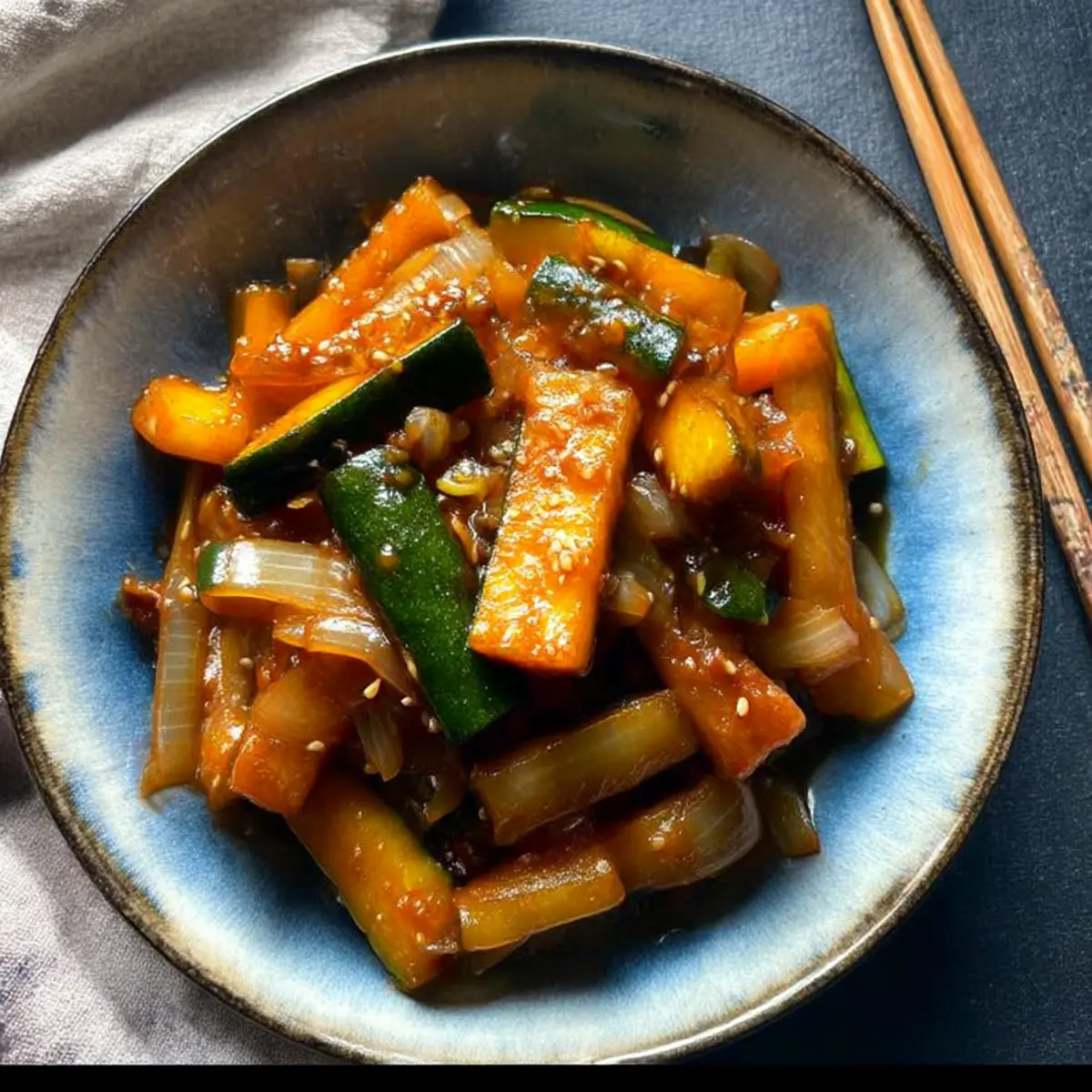
Hibachi Vegetables Recipe FAQs
How do I choose ripe zucchini and onions for this recipe?
Absolutely! Look for firm, glossy zucchini without any dark spots or blemishes. A medium-sized zucchini typically has the best flavor. For onions, choose ones that feel heavy for their size and have a smooth, dry skin—avoid those with soft spots or excessive sprouting.
What is the best way to store leftover hibachi vegetables?
Very! Store any leftover hibachi vegetables in an airtight container in the refrigerator. They will stay fresh for up to 2 days. Make sure to let them cool completely before sealing to avoid moisture buildup, which can lead to sogginess.
Can I freeze hibachi vegetables?
Absolutely! Although this dish is best enjoyed fresh, you can freeze cooked hibachi vegetables for up to 2 months. To freeze, let the veggies cool completely, then place them in a freezer-safe bag, removing as much air as possible. When you’re ready to enjoy them again, thaw in the fridge overnight and reheat gently on the stovetop.
What should I do if my vegetables aren’t browning properly?
I recommend ensuring your skillet is hot enough before adding the vegetables. If they’re steaming rather than sautéing, increase the heat a little. Avoid stirring too often; letting them sit undisturbed for a few minutes encourages that lovely golden-brown crust. If they still aren’t browning, try cooking them in smaller batches to give them more space.
Are hibachi vegetables suitable for any dietary restrictions?
Very! Hibachi vegetables can easily accommodate various dietary needs. For gluten-free options, simply use gluten-free soy sauce. Additionally, they are naturally low in calories and packed with nutrients, making them suitable for most diets. However, if you’re preparing a meal for someone with allergies, always double-check ingredient labels for cross-contamination. Remember to adjust seasonings as needed for those with sodium restrictions!
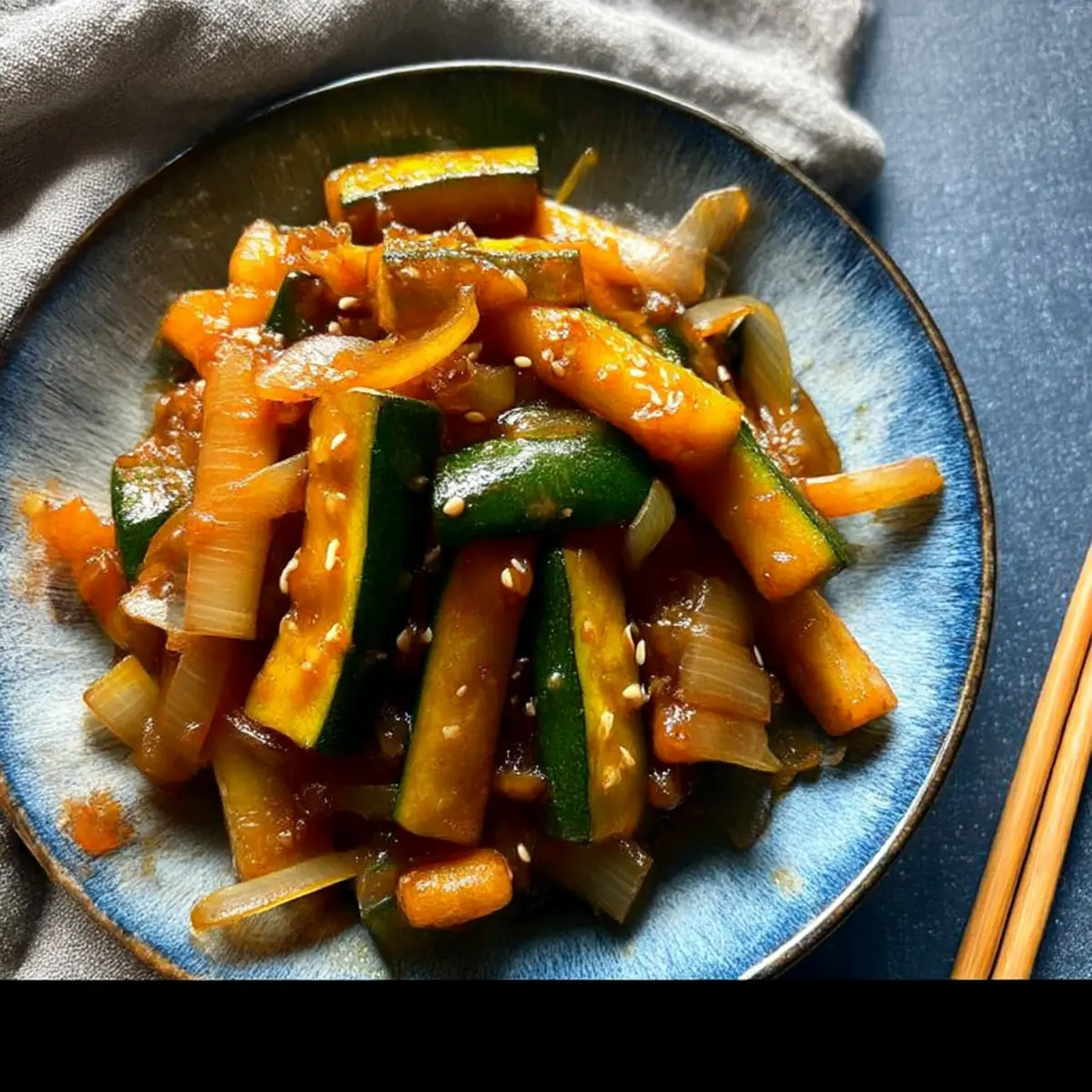
Hibachi Vegetables: Satisfy Your Cravings in 22 Minutes
Ingredients
Equipment
Method
- Preheat a large skillet over medium-high heat for about 2 minutes. Add sesame oil and let it shimmer.
- Add the sliced onions and cook for about 3 minutes until they are soft and translucent.
- Introduce zucchini sticks to the skillet and cook undisturbed for 4-5 minutes until slightly browned.
- Pour in remaining sesame oil, soy sauce, sesame seeds, kosher salt, and black pepper. Stir gently.
- Sauté for another 1-2 minutes until the vegetables are tender and glossy, then serve warm.
Leave a Reply