
Have you ever craved that exciting hibachi experience right at home? With my recipe for Savory Hibachi Vegetables featuring zucchini and onions, you can recreate the magic of a lively Japanese grill in your own kitchen. This simple, quick side dish is not just a delightful way to elevate your meals, but it also gives you the chance to enjoy the vibrant flavors of sautéed seasonal vegetables. In just a few minutes, you’ll have a colorful medley that’s perfect for adding a healthy twist to your dinner table. So, whether you’re looking to impress guests or simply want to make weeknight dinners more fun, you’re in for a treat. Ready to spice up your cooking routine? Let’s dive in!
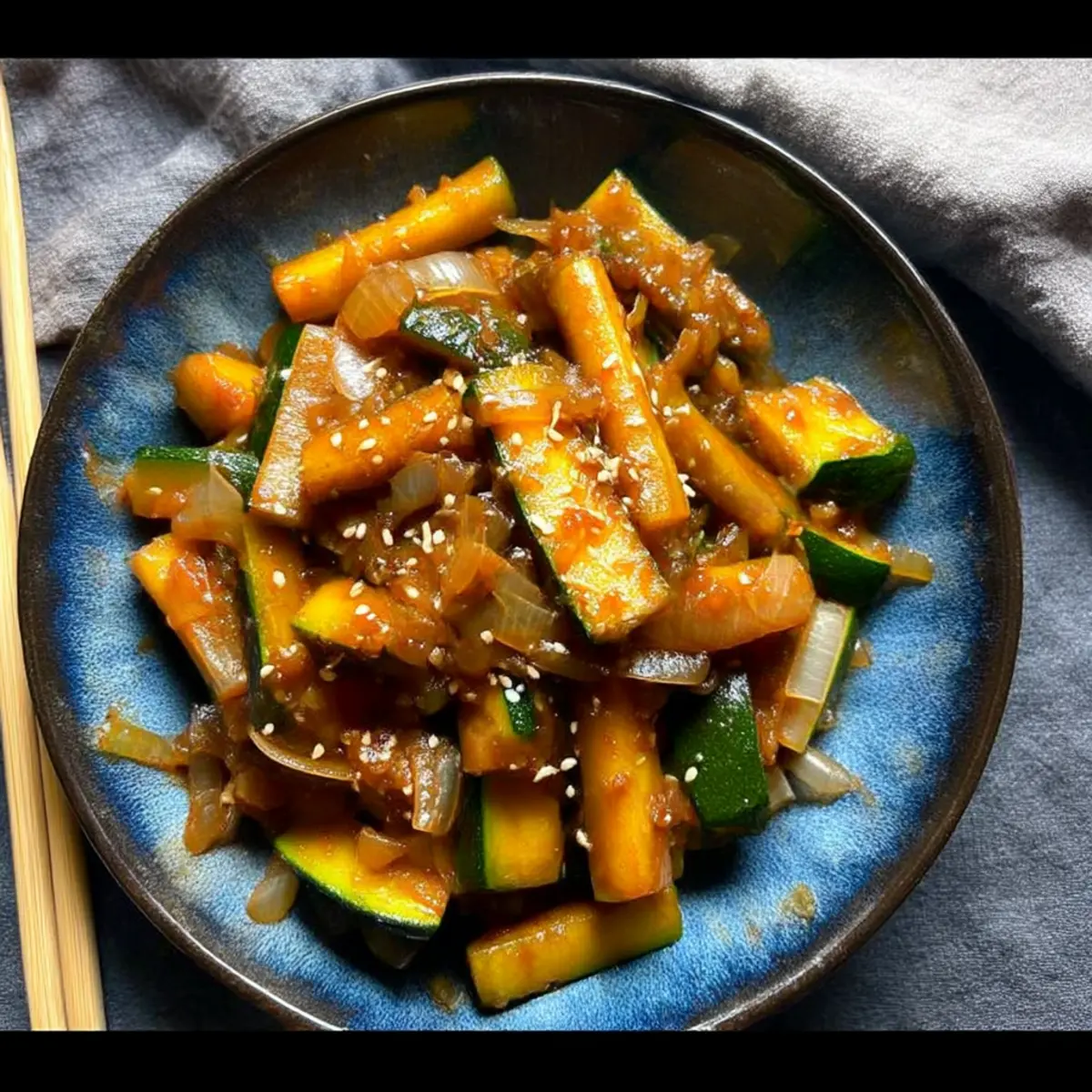
Why are Hibachi Vegetables a Must-Try?
Quick and Easy: This recipe takes only minutes to prepare, making it perfect for busy weeknights or impromptu gatherings.
Flavor Explosion: The blend of sweet onions and tender zucchini, enhanced with sesame oil and soy sauce, offers a delightful burst of taste in every bite.
Versatile Creation: Pair these hibachi vegetables with rice, grilled meats, or tofu for a complete meal. For variety, feel free to explore mix-ins like bell peppers or mushrooms!
Crowd-Pleasing Appeal: With their vibrant colors and irresistible aroma, these vegetables are sure to impress family and friends, transforming any meal into a festive occasion.
Health Boost: Low in calories yet rich in nutrients, these veggies offer a guilt-free way to enjoy delicious flavors. Perfect for anyone looking to eat healthier without sacrificing taste!
Discover more simple vegetable dishes in our Easy Side Dishes section, and elevate your cooking with exciting flavors!
Hibachi Vegetables Ingredients
For the Sauté
• Sesame oil – Adds a rich, nutty flavor to the dish; substitute with canola or vegetable oil if needed.
• Medium onion – Provides sweetness and depth; use yellow or white onions for the best flavor.
• Medium zucchinis – Offers a mild taste and tender texture; substitute with yellow squash if desired.
For the Flavor
• Soy sauce – Contributes saltiness and umami; use low-sodium soy sauce for a healthier option.
• Kosher salt – Enhances all flavors; adjust according to personal taste preference.
• Black pepper – Introduces a hint of spice; can be substituted with white pepper for a milder flavor.
For Garnishing
• Sesame seeds – Adds crunch and additional nuttiness; optional, but recommended for garnish.
These hibachi vegetables are not only quick to prepare but also a deliciously vibrant addition to your meal!
Step‑by‑Step Instructions for Savory Hibachi Vegetables
Step 1: Preheat the Skillet
Begin by preheating a large skillet or wok over medium-high heat. Add 1 tablespoon of sesame oil and allow it to heat for about 30 seconds, ensuring it shimmers but does not smoke. This step is crucial as the hot oil will give your hibachi vegetables a beautiful, tender texture with a rich, nutty flavor from the sesame oil.
Step 2: Sauté the Onions
Carefully add the sliced medium onion to the hot skillet, stirring gently to coat in the oil. Sauté the onions for approximately 3 minutes until they start to soften and turn translucent. The aroma of the onions will start filling your kitchen, creating an inviting atmosphere as they become sweet and fragrant.
Step 3: Add the Zucchini
Next, introduce the sliced medium zucchinis to the skillet, mixing them in with the sautéing onions. Cook for an additional 4-5 minutes, allowing the vegetables to brown slightly while avoiding excessive stirring. This technique helps in creating that desirable sear on your hibachi vegetables, imparting a wonderful depth of flavor.
Step 4: Flavor the Vegetables
Pour in the remaining tablespoon of sesame oil along with soy sauce, kosher salt, and black pepper. Gently stir the mixture to distribute the flavors evenly across your hibachi vegetables. Allow the mixture to cook for about 1-2 minutes until everything is well-coated and the flavors meld beautifully, making the dish irresistible.
Step 5: Final Cooking and Serve
Continue to cook the vegetables until they are tender yet vibrant in color. Look for the zucchinis to be slightly translucent while retaining a bit of crunch. Once ready, remove the skillet from heat and transfer your savory hibachi vegetables to a serving platter, garnishing with sesame seeds for an appealing finish. Serve warm and enjoy this delightful side dish at your next meal!
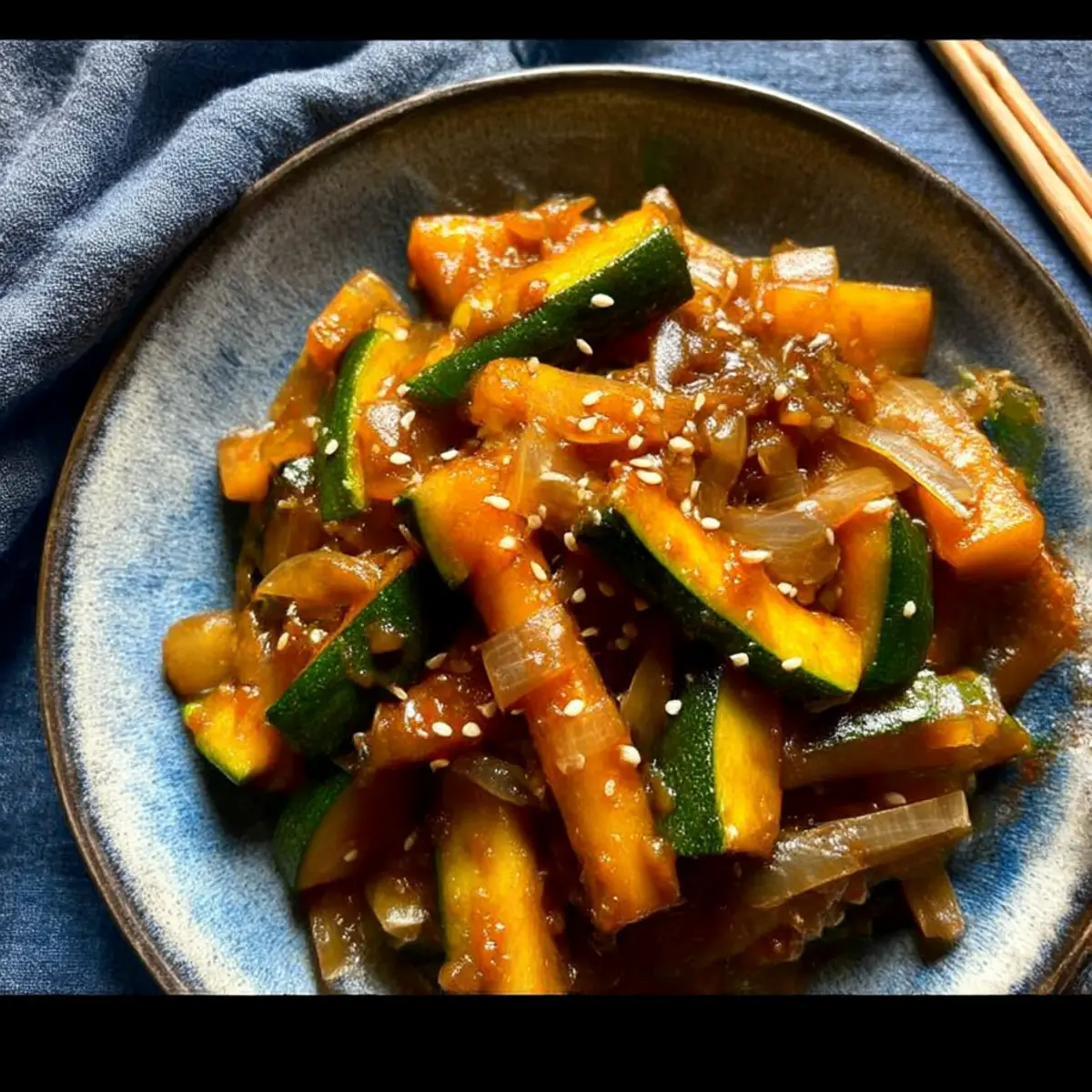
How to Store and Freeze Hibachi Vegetables
Fridge: Store leftover hibachi vegetables in an airtight container in the refrigerator for up to 3 days. This keeps them fresh while maintaining their essential flavors.
Freezer: For longer storage, freeze hibachi vegetables in a zip-top bag or airtight container. They’ll stay good for up to 2 months. Blanching prior to freezing can enhance the texture upon reheating.
Reheating: When ready to enjoy your frozen hibachi vegetables, thaw them overnight in the fridge. Reheat gently in a skillet over medium heat until warmed through, adding a splash of soy sauce if desired to revive their flavors.
Enjoy Freshly Made: While leftovers can be stored, hibachi vegetables are best enjoyed fresh to maintain their vibrant texture and taste, adding a delightful touch to any meal.
Expert Tips for Hibachi Vegetables
-
Uniform Cuts: Ensure to cut your zucchini and onions into uniform sizes for even cooking and a perfect presentation.
-
Let Them Sear: Resist the urge to stir too frequently; letting the vegetables sit will help them develop that sought-after caramelized exterior.
-
High Smoke Point Oil: Use a high-smoke point oil, like sesame oil, to withstand the heat without burning, ensuring great flavor in your hibachi vegetables.
-
Adjust Seasoning: Taste your dish before serving. Feel free to tweak the soy sauce, salt, and pepper to match your personal taste preferences.
-
Add Color and Crunch: Experiment with additional veggies like bell peppers or mushrooms for a more colorful and textured hibachi experience.
Make Ahead Options
These delicious hibachi vegetables are perfect for meal prep, allowing you to save time during your busy weekdays! You can slice the zucchini and onions up to 24 hours in advance and keep them in an airtight container in the refrigerator—this helps maintain their freshness and prevents browning. When you’re ready to enjoy your hibachi vegetables, simply heat the skillet with sesame oil, sauté the onions for a few minutes, add the zucchini, and cook until tender. By prepping in advance, you’ll have a flavorful, quick side dish ready with minimal effort, ensuring that you still enjoy that irresistible homemade taste!
What to Serve with Savory Hibachi Vegetables?
Enjoy the delectable medley of flavors that transform your dinner table into a Japanese grill with each bite of these delightful veggies.
-
Steamed Jasmine Rice:
Its light, fluffy texture provides the perfect contrast to the savory flavors of the hibachi vegetables, making each mouthful a delight. -
Grilled Chicken Skewers:
The smoky, charred essence of juicy chicken complements the sautéed zucchini and onions, creating a balanced and hearty meal. -
Teriyaki Tofu:
Offering a rich, salty sweetness, teriyaki tofu pairs beautifully with the earthiness of the vegetables, bringing a harmonious flavor blend to your plate. -
Miso Soup:
Light and comforting, this traditional Japanese soup provides an excellent starter, enhancing the Asian dining experience alongside your vibrant veggies. -
Crispy Spring Rolls:
These crunchy delights filled with fresh vegetables can serve as a fun appetizer, adding a delightful texture alongside your hibachi vegetables. -
Sake or Green Tea:
A chilled glass of sake or a warm cup of green tea can elevate your meal, cleansing the palate and enhancing the umami-rich flavors of your dish.
Indulge in these delicious pairings for a well-rounded, memorable dining experience!
Hibachi Vegetables Variations & Substitutions
Feel free to make this delicious dish your own with these creative twists!
-
Spicy Kick: Add a teaspoon of chili paste or a dash of red pepper flakes for an exciting heat level that brings your hibachi vegetables to life.
-
Mixed Veggies: Incorporate bell peppers, broccoli, or snap peas for a vibrant color palette and enhanced texture. Each extra veggie brings its unique crunch!
-
Garlic Flavor: For an aromatic twist, sauté minced garlic with the onions. The garlic fragrance adds a delightful depth of flavor, making every bite memorable.
-
Sweet & Savory: Drizzle a touch of honey or maple syrup before serving to balance the savory sauce with a hint of natural sweetness. Your taste buds will thank you!
-
Nutty Extra: Toss in some crushed peanuts or cashews for an added layer of crunch. Not only do they elevate the texture, but they also introduce a rich, nutty contrast.
-
Oil Substitution: If you’re running low on sesame oil, consider using olive oil or avocado oil. Both add a unique flair while keeping the dish light and delicious.
-
Herb Boost: Fresh herbs like cilantro or green onions make an excellent finishing touch. They add brightness and freshness that beautifully complements the umami flavors.
Explore these variations to keep things exciting in your kitchen! For more simple and delicious ideas, check out our incredible side dish recipes to elevate every meal.
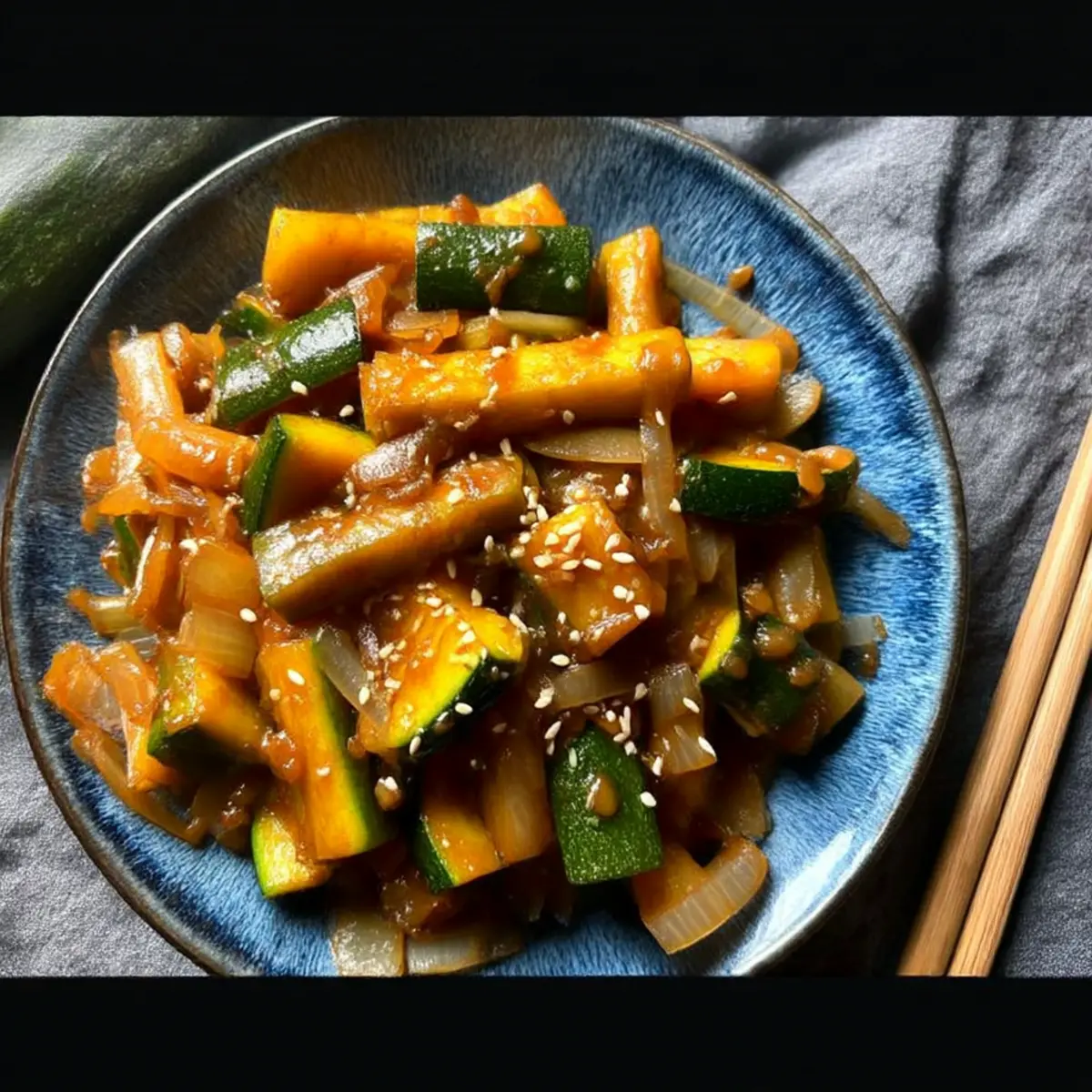
Hibachi Vegetables Recipe FAQs
How do I select the best zucchini and onions for my hibachi vegetables?
Absolutely! When choosing your zucchini, look for ones that are firm, glossy, and free of any dark spots. They should feel heavy for their size. For onions, go with medium-sized yellow or white ones; these provide the sweetness and flavor that enhances your dish. Avoid onions that are overly soft or have sprouted shoots.
What is the best way to store leftover hibachi vegetables?
Very simply! After making your hibachi vegetables, let them cool down and then transfer them to an airtight container. They can be kept in the refrigerator for up to 3 days. Just remember to reheat them gently on the stovetop to preserve their texture instead of microwaving, which can make them mushy.
Can I freeze hibachi vegetables for later use?
Absolutely! To freeze your hibachi vegetables, first blanch them by boiling for 2 minutes and then transferring them to an ice bath to stop the cooking process. Pat the vegetables dry, then place them in a zip-top freezer bag or an airtight container. They can be frozen for up to 2 months. When you’re ready to use them, let them thaw overnight in the fridge before reheating.
How can I troubleshoot mushy hibachi vegetables?
If your vegetables come out mushy, it could be because they were overcooked or they contained too much moisture. To avoid this, make sure to cut them into uniform sizes for even cooking and don’t overcrowd the skillet. Allowing them to sear without stirring too frequently also helps them retain their crispness.
Are hibachi vegetables suitable for those with dietary restrictions?
Very much so! This dish is vegetarian, and if you use gluten-free soy sauce, it can also be made gluten-free. For any concerns regarding allergies, keep in mind that sesame oil and soy sauce are potential allergens, so feel free to substitute with canola oil and tamari or a wheat-free alternative if necessary.
How can I enhance the flavor of my hibachi vegetables?
I often make my hibachi vegetables even more delicious by adding a splash of lemon juice after cooking for a fresh twist or including a teaspoon of chili paste for a spicy kick. You can also experiment with other vegetables like bell peppers or mushrooms to add layers of flavor and texture!
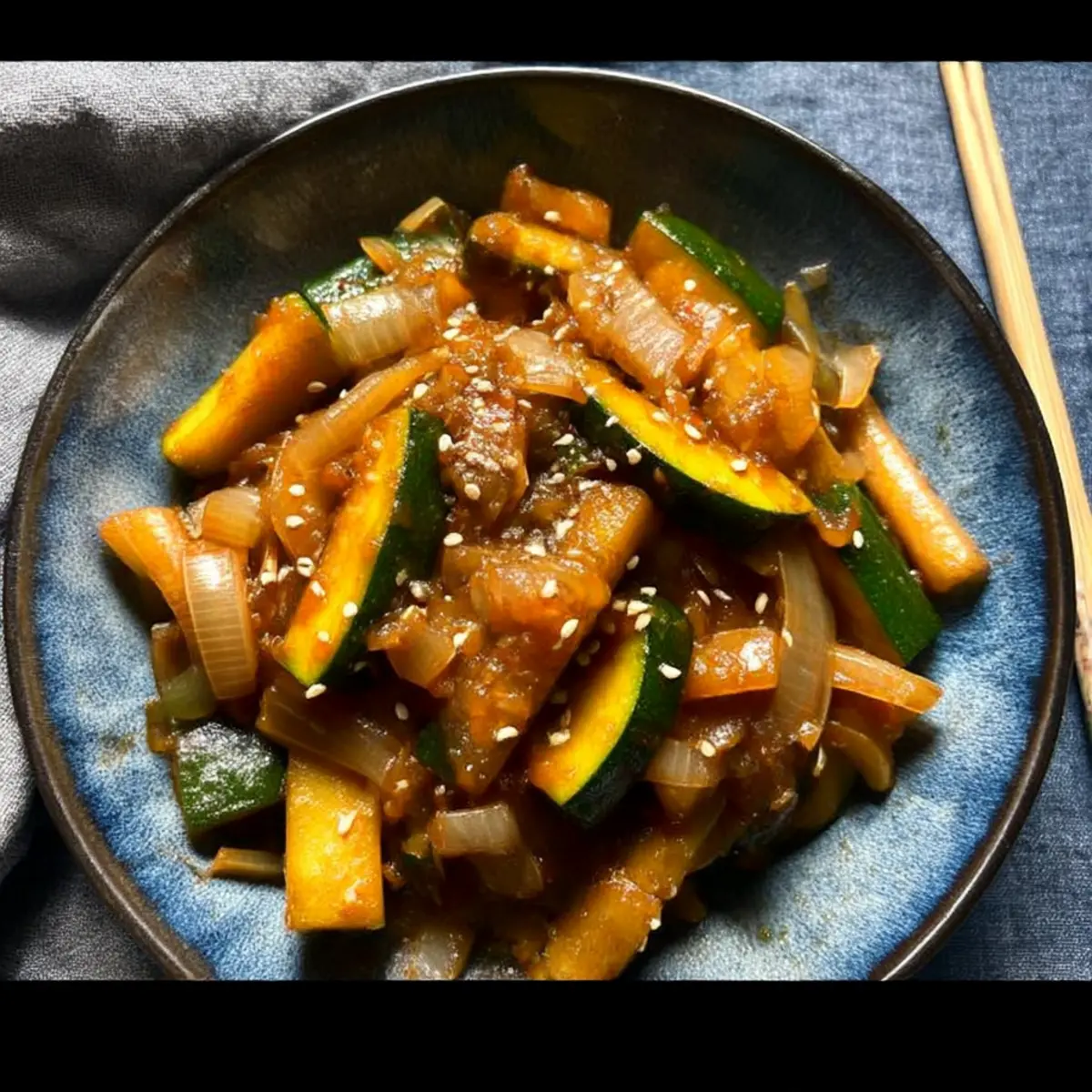
Delicious Hibachi Vegetables for Your Homemade Feast
Ingredients
Equipment
Method
- Preheat a large skillet or wok over medium-high heat. Add sesame oil and let it heat until shimmering, about 30 seconds.
- Add the sliced onion to the skillet and sauté for approximately 3 minutes until soft and translucent.
- Introduce the sliced zucchini to the skillet, mixing it with the onions, and cook for an additional 4-5 minutes.
- Pour in the remaining sesame oil, soy sauce, kosher salt, and black pepper. Gently stir and cook for 1-2 minutes.
- Continue to cook the vegetables until tender yet vibrant. Serve warm, garnished with sesame seeds.
Leave a Reply